https://www.aclerly.com/the-comprehensive-guide-to-human-biological-variation-genetics-traits-and-societal-implications/
The impact of body structure on athletic performance
Human athletic performance is closely linked to physical parameters, with three key factors being particularly prominent: upper- and lower-limb ratios, muscle fiber type, and body density. Using the navel as a dividing line, there are significant differences in upper- and lower-limb ratios between Blacks, Whites, and Asians. The average ratio for Blacks is approximately 1:1.3, for Whites it’s approximately 1:1.33, and for Asians it’s 1:1.3. This means that for people of the same height, Blacks have the longest legs and Asians have the shortest. Furthermore, limb proportions influence arm length accordingly.
Muscle fiber type also plays a key role in athletic performance. Human skeletal muscle is composed of fast-twitch and slow-twitch fibers. Fast-twitch fibers contract quickly but have low fatigue resistance, making them suitable for explosive power movements. Slow-twitch fibers contract more slowly but are more resistant to fatigue, making them suitable for endurance sports. Body density, which includes both muscle and bone density, directly influences power output and buoyancy performance.
Swimming vs. Running: Advantages of Different Body Types

In swimming, black athletes have higher bone density and a relatively smaller upper limb proportion, which makes them sink more easily in the water and lacks drainage area, thus making them less competitive in swimming competitions. In contrast, Asians have lower bone density and a larger upper limb proportion, which naturally gives them swimming potential.
In running events, Black athletes excel in both short and long distances. Their long legs and short torso allow for a longer stride and reduced leg load. For example, in the 100-meter final at the Tokyo Olympics, the top runner completed the distance in just 41 strides, while other European runners took 45 to 48. This difference directly reflects the advantage of leg length.
It’s worth noting that Black athletes from different regions differ in their strengths. West African athletes (e.g., those of Nigerian and Cameroonian descent) possess exceptional explosive power and a high proportion of fast-twitch muscle fibers, making them well-suited for explosive sports like sprinting and soccer. East African athletes (e.g., those of Kenyan and Ethiopian descent) possess exceptional endurance and a high proportion of slow-twitch muscle fibers, making them well-suited for marathons and long-distance running. This difference stems from historical lifestyles: West Africans primarily engaged in hunting, while East Africans lived at high altitudes for extended periods, where the oxygen-poor environment necessitated a high degree of adaptation for the cardiopulmonary and respiratory systems.
Football and physical fitness
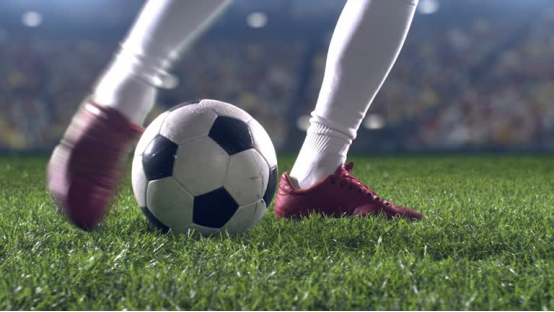
Football is a multifaceted sport that demands explosive power, endurance, technique, and tactical strategy. Explosive power and physical play are particularly crucial on the field, which is why West African athletes excel in football. Powerful African teams like Nigeria, Senegal, Côte d’Ivoire, and Cameroon boast a majority of their players from West African countries. Many Black stars in European and American football clubs also have West African ancestry.
Despite the technical prowess of their players, Asian football powerhouses like Japan and South Korea lack physical prowess in central areas or defensive midfield positions. This reflects a mismatch between physical attributes and positional requirements: wide players and attacking midfield positions require less explosive power, while more physical prowess is required for more confrontational positions.
Basketball and jumping advantage

In basketball, West African athletes not only have advantages in limb length and muscle strength, but also possess the longest Achilles tendons of any human race. This allows for superior jumping ability, giving them a clear advantage in moves like dunking and blocking shots. In contrast, Asians have shorter Achilles tendons, making it difficult for them to gain an advantage in sports that rely on jumping.
Weightlifting and flexibility programs

In weightlifting, Asian athletes have shorter limbs and a lower center of gravity. This body shape reduces the leverage load on the barbell, making lifting easier. In small ball sports like table tennis and badminton, as well as gymnastics, Asian athletes have a greater range of motion and flexibility, giving them an advantage in these events. Flexibility and agility can significantly compensate for disadvantages in strength or speed in technical sports.
Genetic adaptation and evolutionary context
Athletic advantages stem not only from individual developmental differences but are also closely related to long-term evolutionary adaptation. For example, the inhabitants of the East African plateau, living at high altitudes and in an environment with low oxygen levels for a long time, have optimized their cardiopulmonary function and slow-twitch muscle fiber ratio, resulting in exceptional long-distance running endurance. Kenyan and Ethiopian athletes have won over 70% of the men’s marathon gold medals in the past ten Olympic Games.
West African athletes possess inherent advantages in explosive power and speed. Their historical lifestyle, primarily based on hunting, resulted in a high proportion of fast-twitch muscle fibers and well-defined muscles, resulting in exceptional sprinting performance. Usain Bolt’s world record-breaking 100-meter dash is a testament to the combination of his long legs and stride with explosive power.
The complementary role of technical training and strategy
While innate strengths are important, training and technique are equally crucial. Team sports like football and basketball rely on tactical strategy and teamwork. European football teams compensate for their physical shortcomings through scientific training, while Asian powerhouses overcome their physical limitations through quick passing and intense running. For example, Japan achieved success at the 2018 World Cup through sophisticated tactics. In basketball, West African athletes possess significant physical advantages, but accurate shooting, defense, and fast-break transitions remain essential skills for top performance.
Gender Differences and Diversity Impacts
Gender significantly influences athletic ability. Men and women differ in muscle mass, bone density, and cardiorespiratory fitness, and the extent of this difference varies across races. East African female long-distance runners excel in endurance but lag slightly behind their male counterparts in speed events, reflecting the interplay between physiological differences and training methods.
The genetic diversity generated by diverse ethnic backgrounds also influences athletic potential. For example, athletes from the Americas often possess mixed genetic traits, potentially creating new combinations of advantages in sprinting, basketball, or soccer. Future sports science research will increasingly integrate genetic information, training strategies, and nutritional interventions to maximize athletic potential.
Scientific Data and Quantitative Research
Scientific research has shown that leg length, torso proportions, and muscle fiber types have a quantifiable impact on athletic performance. For example, a study of 100 elite sprinters showed that for every 1 cm increase in leg length, 100-meter times improved by an average of 0.03 seconds; and that for every 10% increase in slow-twitch muscle fiber proportion, marathon completion times decreased by approximately 2 minutes. This data helps coaches precisely tailor training plans, aligning genetic advantages with training methods.
Individual Differences and Racial Limits
While racial differences exist, individual differences are often greater. Elite athletes fully exploit their innate strengths and potential through training, demonstrating significant differences in physical fitness. This serves as a reminder that individual effort and scientific training remain indispensable in sports training and competition.
https://www.aclerly.com/the-comprehensive-guide-to-human-biological-variation-genetics-traits-and-societal-implications/