Important Site Update
The content of this site has been moved to the
“Human Biology and Behavior” Special Section.
Human Biology and Behavior →
Author: dmother

This article has been updated and moved. Click here to go to the latest version:
https://www.aclerly.com/scientific-frontiers-a-comprehensive-guide-to-de-extinction-and-ancient-chronology/
https://www.aclerly.com/scientific-frontiers-a-comprehensive-guide-to-de-extinction-and-ancient-chronology/
Every New Year, some people often refer to the Lunar New Year as the “Lunar New Year.” While this term is popular, it’s actually somewhat misleading. This article will delve into the controversy surrounding the Lunar New Year’s naming, the development of ancient calendars, and the differences between solar, lunar, and combined calendars, providing readers with a more comprehensive understanding of the scientific logic and historical background behind these calendars.
Why Lunar New Year shouldn’t be simply called “Lunar New Year”

The Lunar Calendar is not based solely on lunar cycles, but rather incorporates the solar cycle, making it a combined solar and lunar calendar . Simply calling it the “Lunar New Year” overlooks its complexity and can easily lead to misunderstanding of its calculations.
The lunar calendar, originating during the reign of Emperor Wu of Han in China, was considered the most advanced calendar system in the world at the time. While East Asian countries like South Korea and Vietnam also adopted the lunar calendar, the formation of these calendars is closely tied to Chinese culture. Therefore, emphasizing the name “Chinese Lunar New Year” not only shows cultural respect but also helps avoid historical misinterpretations.
Three mainstream types of ancient calendars
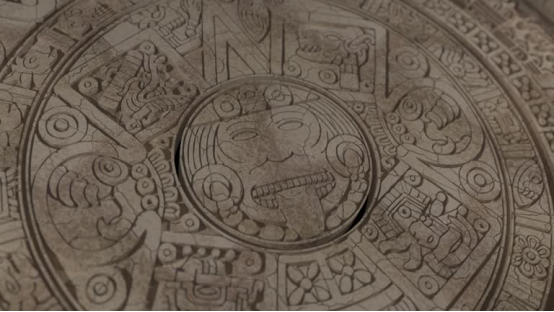
Throughout human history, calendars have been based on the movements of celestial bodies—primarily the sun and moon. Ancient civilizations developed three main types of calendars based on the natural environment and social needs: solar calendars, lunar calendars, and combined solar and lunar calendars .
Solar calendar : Based on the period of the Earth’s revolution around the sun, it emphasizes the stability of the seasons.
Lunar calendar : Based on the lunar phase cycle, it emphasizes observable changes every month and is often used to arrange religious festivals.
The solar-lunar calendar combines the cycles of the sun and moon to make the months and seasons relatively harmonious, suitable for agriculture and folk festival arrangements.
The origin and development of the solar calendar

The Julian calendar of ancient Rome
In 46 BC, Julius Caesar of the Roman Republic established the Julian calendar . He divided the year into 12 months, averaging about 365.25 days, and added a leap day every four years to ensure that the calendar roughly aligned with the seasons.
To highlight his status, Emperor Augustus later changed August to 31 days, which resulted in February being adjusted to 28 or 29 days to maintain a balanced year. The Julian calendar remained in use in Europe for over 1,500 years until it was revised by the Gregorian calendar in 1582.
The birth of the Gregorian calendar
As astronomy advanced, people discovered that the Earth’s orbital period is 365.2425 days, slightly shorter than the original 365.25 days. Pope Gregory XIII revised the leap year rule: years divisible by 100 but not by 400 would not have leap years, while years divisible by 400 would still have leap years. This adjustment, still in use today, ensures the calendar’s high accuracy.
Ancient Egyptian solar calendar
The ancient Egyptian solar calendar, which emerged earlier, had a relatively crude structure: a 365-day year, 12 30-day months, and a five-day festival at the end for worshipping the gods. After Egypt was annexed by Rome in 30 BC, the Julian calendar gradually replaced the Egyptian calendar.
Lunar calendar and Islamic calendar
the Islamic calendar in 622. Its months are based on the lunar cycle, with an average of about 29.5 days per month and a year of about 354 days.
Because the lunar calendar does not take into account the solar year, it advances the Gregorian calendar by about 11 days each year. This results in Islamic festivals such as Eid al-Fitr and Eid al-Adha occurring earlier each year. This calendar emphasizes the observability of the lunar phases, but has poor seasonal coordination.
The scientific logic of the lunar calendar
The lunar calendar is based on the waxing and waning of the moon. Each full moon to the next full moon is a lunar phase cycle, lasting approximately 29.53 days. However, due to the influence of the Earth’s revolution, the same lunar phase cycle does not exactly equal the duration of one lunar revolution (27.32 days). This is why the lunar calendar year does not coincide with the solar year.
Solar and lunar calendars: Lunar and Jewish calendars
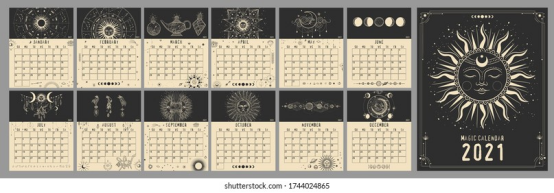
Chinese Lunar Calendar
The lunar calendar uses the lunar phases and solar cycles to adjust the length of the year through the intercalary month mechanism . A leap month is inserted every two to three years to bring the lunar year closer to 365 days, ensuring that the solar terms and seasons are synchronized.
Intercalary months are inserted according to the 24 solar terms : if a month does not have a solar term, it becomes a leap month. This is the case with the intercalary February in 2023. This mechanism allows the lunar calendar to align with the Gregorian calendar with high precision while preserving the traditional characteristics of the moon phases and solar terms.
Jewish calendar
The Jewish calendar is also a solar-lunar calendar, based on the lunar cycle and adjusted by intercalary months. Its rule is a 19-year cycle, with an intercalary month added in the 3rd, 6th, 8th, 11th, 14th, 17th, and 19th years, for a total of seven intercalary months, to roughly align the year with the solar year. The Jewish calendar begins in 3761 BC, and 2025 corresponds to the year 5785, the ninth year of the 19-year cycle.
The scientific wisdom behind the calendar
The ancients developed calendars based not only on astronomical observations but also on social, agricultural, and religious needs:
Solar calendar : emphasizes seasonal stability, which is conducive to agricultural production and festival arrangements.
Moon calendar : highlights the changes in the phases of the moon and is suitable for religious and cultural activities.
Solar-lunar calendar : takes into account both moon phases and seasons, suitable for synchronizing agriculture and folk festivals.
This combination of science and culture reflects the ancient civilization’s profound understanding of natural laws and social organization wisdom.
Calendar Evolution and Cultural Cognition
From the Julian calendar of ancient Rome to the Islamic, lunar, and Jewish calendars, calendars are not only tools for calculating time but also carriers of culture and history. A correct understanding of the Lunar New Year and its calendar context can help us more accurately understand the formation of holiday dates, cultural differences, and historical heritage.
In addition, by comparing the calendars of different civilizations, we can also see the innovative thinking of humans in observing celestial bodies, recording time and arranging social life: how to balance celestial cycles, seasonal changes and folk festivals has become an important manifestation of the wisdom of the ancients.
The common logic of the global calendar
Whether it was a solar calendar, a lunar calendar, or a combined solar and lunar calendar, the ancients’ starting point for developing calendars was to observe the motions of celestial bodies and incorporate them into practical life needs. Natural conditions such as sunlight, climate, and food availability directly influenced the design logic of the calendar.
This logic also explains why the Lunar New Year date varies each year, but always coordinates with the seasons and solar terms. In contrast, festivals on a purely lunar calendar tend to arrive earlier each year, while those on a solar calendar remain relatively stable.
Conclusion: Human Wisdom and Cultural Heritage from the Perspective of the Calendar
Solar, lunar, and combined solar and lunar calendars each have their own unique characteristics and applicable scenarios. The Lunar New Year calendar incorporates not only the phases of the moon but also the solar cycle, reflecting the ancients’ profound understanding of astronomy and natural laws. The evolution of calendars not only documents scientific progress but also reflects the close connection between cultural heritage and social life.
Understanding the relationship between the calendar and festivals will help modern people more accurately understand the differences in global festival times and how historical wisdom serves social organization and cultural life. It will also enable people to have a deeper respect for the scientific thinking of ancient civilizations.
This article has been updated and moved. Click here to go to the latest version:
https://www.aclerly.com/scientific-frontiers-a-comprehensive-guide-to-de-extinction-and-ancient-chronology/
https://www.aclerly.com/scientific-frontiers-a-comprehensive-guide-to-de-extinction-and-ancient-chronology/

This article has been updated and moved. Click here to go to the latest version:
https://www.aclerly.com/the-spring-surge-why-animals-breed-more-in-spring/
https://www.aclerly.com/the-spring-surge-why-animals-breed-more-in-spring/
The arrival of spring not only brings renewal but also signals the beginning of breeding season for many animals. The “breath of life” that permeates forests and grasslands is rooted in complex and intricate biological mechanisms. Why do most animals choose to mate in spring? How do different species regulate reproduction based on environmental and physiological conditions? This article will systematically analyze the reproductive patterns of animals from the perspectives of ovulation mechanisms, reproductive strategies, and environmental adaptation.
Ovulation mechanisms: spontaneous and induced
Female terrestrial vertebrates generally have two modes of ovulation: spontaneous ovulation and induced ovulation .
Induced ovulation
Induced ovulation refers to ovulation only after mating stimulation. This mechanism is common in solitary felines, such as domestic cats. Because they have limited opportunities to mate, induced ovulation can greatly improve the efficiency of conception.
Social cats like lions also use induced ovulation. Male lions in a pride mate with their females at a specific time. This induced ovulation ensures synchronized pregnancy, allowing cubs to be raised together. Lions living in tropical areas may be in estrus almost year-round, while Siberian tigers, which live in harsh environments, estrus primarily in late spring and early summer, ensuring that their cubs are born when conditions are most favorable.
Spontaneous ovulation
Spontaneous ovulation occurs periodically without mating and can be divided into three categories:
Menstrual cyclicity : Primates are typical. Ovulation cycles are regular, such as approximately 28 days in humans and 36 days in chimpanzees. As long as mating occurs during ovulation, conception is possible.
Continuous ovulation : Small mammals such as mice and rabbits ovulate frequently and have short reproductive cycles, adapting to a “volume-based” survival strategy.
Seasonal ovulation : Most birds, reptiles, and some mammals use this strategy to ensure that their young are born in seasons with ample food and suitable climate.
Seasonal reproduction: coordinating food and environment
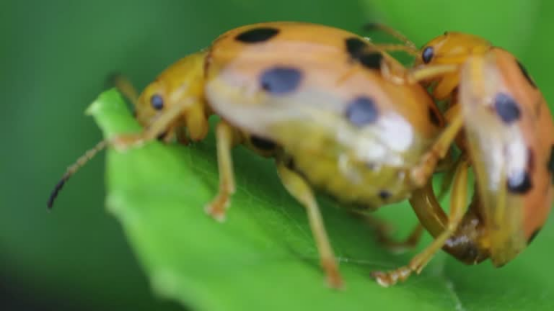
For animals that ovulate seasonally, the timing of their reproduction is usually closely related to food supply and living environment.
Arctic or cold temperate regions : Herbs and shrubs grow vigorously in the summer, so herbivores living there, such as hares, choose to mate in the spring to ensure that their cubs have enough food when they are weaned in the summer.
A unique bear strategy : Brown and black bears mate mostly in the summer, but their cubs are born the following winter. This is due to a delayed implantation mechanism : the fertilized egg temporarily lies dormant in the uterus until optimal environmental conditions allow for development. Bears give birth during hibernation, where their dens are safe and their bodies are well-nourished. The cubs survive directly on breast milk.
Biological clock and environmental signals
The reproductive rhythm of animals is closely linked to their endogenous biological clock . In mammals, for example, the suprachiasmatic nucleus (SCN) in the brain is directly connected to the retina, sensing changes in light and regulating melatonin secretion.
When light is strong, melatonin secretion decreases. The decrease in melatonin relieves the inhibition of gonadotropin-releasing hormone (GnRH) in the hypothalamus, stimulating ovarian maturation and ovulation.
Birds use a similar mechanism, also controlling the timing of reproduction by sensing light.
Cold-blooded reptiles rely more on temperature changes than light, with rising temperatures generally triggering reproduction.
In general, seasons with sufficient sunlight and warm climate are the first choice for most animals to reproduce.
Examples of reproductive strategies in different animals
mammal
Solitary felines : Improving mating efficiency through induced ovulation.
Lions : Synchronized pregnancies in a group living strategy help to raise the cubs collectively.
Bears : mate in summer and give birth in winter, delaying implantation to ensure that the cubs are born in a safe and nutritious environment.
Primates : Ovulation occurs during the menstrual cycle, and reproduction depends on periodic physiological signals.
small mammals
Mice and rabbits : continuous ovulation strategy, frequent reproduction, and survival strategy that favors quantity rather than individual quality.
Birds and Reptiles
Most birds use seasonal ovulation to ensure their chicks are born when food is plentiful.
Reproduction in cold-blooded reptiles is highly dependent on ambient temperature, with rising temperatures triggering mating behavior.
The evolutionary logic behind reproductive strategies
The core goal of animals in choosing the right time to mate is to increase the survival rate of their offspring . Physiological and behavioral adaptations in different habitats enable species to achieve maximum reproductive success in specific environments:
Adequate food supply : Make sure the pups have enough food when they are weaned.
Safe environment : Burrows or nests provide protection and reduce threats from predators.
Optimal physical and nutritional conditions : For example, bears give birth during hibernation, when the mother has sufficient energy and is safe.
This adaptive selection shows that the timing of reproduction is not random, but the result of long-term evolutionary optimization.
Relationship between ovulation pattern and reproductive efficiency
Different ovulation patterns directly affect reproductive efficiency and strategy selection:
| Ovulation pattern | Features | Applicable animal types |
| Induced ovulation | Ovulation occurs only after mating stimulation, resulting in a high pregnancy rate | Solitary cats, social lions |
| Spontaneous ovulation-menstrual cycle | The cycle is fixed, and mating must be coordinated with ovulation. | primates |
| Spontaneous ovulation – continuous | Frequent ovulation and rapid reproduction | small mammals |
| Spontaneous ovulation – seasonal | Seasonal ovulation ensures that the cubs are born at the right time | Birds, most mammals |
Environmental perception and physiological signals
Animals use environmental signals such as light and temperature to adjust their physiological state to ensure the optimal match between reproduction and the environment:
Light : Regulates melatonin secretion and affects sex hormone levels.
Temperature : Especially important for cold-blooded animals, it determines the mating season.
Resource availability : Food, shelter, and the social environment all influence reproductive strategies.
Summarize
The timing of animal reproduction is a complex process of environmental adaptation, physiological mechanisms, and evolutionary strategies. Induced ovulation, spontaneous ovulation, and seasonal ovulation patterns reflect the optimization strategies used by different species under pressure. Light, temperature, and food availability are key environmental cues regulating reproduction, while specialized mechanisms such as delayed implantation further ensure optimal birth conditions. Understanding these patterns can provide a deeper understanding of the biological logic behind animal behavior and the sophisticated survival strategies employed by nature.
This article has been updated and moved. Click here to go to the latest version:
https://www.aclerly.com/the-spring-surge-why-animals-breed-more-in-spring/
https://www.aclerly.com/the-spring-surge-why-animals-breed-more-in-spring/

This article has been updated and moved. Click here to go to the latest version:
https://www.aclerly.com/the-comprehensive-guide-to-human-biological-variation-genetics-traits-and-societal-implications/
https://www.aclerly.com/the-comprehensive-guide-to-human-biological-variation-genetics-traits-and-societal-implications/
The impact of body structure on athletic performance
Human athletic performance is closely linked to physical parameters, with three key factors being particularly prominent: upper- and lower-limb ratios, muscle fiber type, and body density. Using the navel as a dividing line, there are significant differences in upper- and lower-limb ratios between Blacks, Whites, and Asians. The average ratio for Blacks is approximately 1:1.3, for Whites it’s approximately 1:1.33, and for Asians it’s 1:1.3. This means that for people of the same height, Blacks have the longest legs and Asians have the shortest. Furthermore, limb proportions influence arm length accordingly.
Muscle fiber type also plays a key role in athletic performance. Human skeletal muscle is composed of fast-twitch and slow-twitch fibers. Fast-twitch fibers contract quickly but have low fatigue resistance, making them suitable for explosive power movements. Slow-twitch fibers contract more slowly but are more resistant to fatigue, making them suitable for endurance sports. Body density, which includes both muscle and bone density, directly influences power output and buoyancy performance.
Swimming vs. Running: Advantages of Different Body Types

In swimming, black athletes have higher bone density and a relatively smaller upper limb proportion, which makes them sink more easily in the water and lacks drainage area, thus making them less competitive in swimming competitions. In contrast, Asians have lower bone density and a larger upper limb proportion, which naturally gives them swimming potential.
In running events, Black athletes excel in both short and long distances. Their long legs and short torso allow for a longer stride and reduced leg load. For example, in the 100-meter final at the Tokyo Olympics, the top runner completed the distance in just 41 strides, while other European runners took 45 to 48. This difference directly reflects the advantage of leg length.
It’s worth noting that Black athletes from different regions differ in their strengths. West African athletes (e.g., those of Nigerian and Cameroonian descent) possess exceptional explosive power and a high proportion of fast-twitch muscle fibers, making them well-suited for explosive sports like sprinting and soccer. East African athletes (e.g., those of Kenyan and Ethiopian descent) possess exceptional endurance and a high proportion of slow-twitch muscle fibers, making them well-suited for marathons and long-distance running. This difference stems from historical lifestyles: West Africans primarily engaged in hunting, while East Africans lived at high altitudes for extended periods, where the oxygen-poor environment necessitated a high degree of adaptation for the cardiopulmonary and respiratory systems.
Football and physical fitness

Football is a multifaceted sport that demands explosive power, endurance, technique, and tactical strategy. Explosive power and physical play are particularly crucial on the field, which is why West African athletes excel in football. Powerful African teams like Nigeria, Senegal, Côte d’Ivoire, and Cameroon boast a majority of their players from West African countries. Many Black stars in European and American football clubs also have West African ancestry.
Despite the technical prowess of their players, Asian football powerhouses like Japan and South Korea lack physical prowess in central areas or defensive midfield positions. This reflects a mismatch between physical attributes and positional requirements: wide players and attacking midfield positions require less explosive power, while more physical prowess is required for more confrontational positions.
Basketball and jumping advantage

In basketball, West African athletes not only have advantages in limb length and muscle strength, but also possess the longest Achilles tendons of any human race. This allows for superior jumping ability, giving them a clear advantage in moves like dunking and blocking shots. In contrast, Asians have shorter Achilles tendons, making it difficult for them to gain an advantage in sports that rely on jumping.
Weightlifting and flexibility programs

In weightlifting, Asian athletes have shorter limbs and a lower center of gravity. This body shape reduces the leverage load on the barbell, making lifting easier. In small ball sports like table tennis and badminton, as well as gymnastics, Asian athletes have a greater range of motion and flexibility, giving them an advantage in these events. Flexibility and agility can significantly compensate for disadvantages in strength or speed in technical sports.
Genetic adaptation and evolutionary context
Athletic advantages stem not only from individual developmental differences but are also closely related to long-term evolutionary adaptation. For example, the inhabitants of the East African plateau, living at high altitudes and in an environment with low oxygen levels for a long time, have optimized their cardiopulmonary function and slow-twitch muscle fiber ratio, resulting in exceptional long-distance running endurance. Kenyan and Ethiopian athletes have won over 70% of the men’s marathon gold medals in the past ten Olympic Games.
West African athletes possess inherent advantages in explosive power and speed. Their historical lifestyle, primarily based on hunting, resulted in a high proportion of fast-twitch muscle fibers and well-defined muscles, resulting in exceptional sprinting performance. Usain Bolt’s world record-breaking 100-meter dash is a testament to the combination of his long legs and stride with explosive power.
The complementary role of technical training and strategy
While innate strengths are important, training and technique are equally crucial. Team sports like football and basketball rely on tactical strategy and teamwork. European football teams compensate for their physical shortcomings through scientific training, while Asian powerhouses overcome their physical limitations through quick passing and intense running. For example, Japan achieved success at the 2018 World Cup through sophisticated tactics. In basketball, West African athletes possess significant physical advantages, but accurate shooting, defense, and fast-break transitions remain essential skills for top performance.
Gender Differences and Diversity Impacts
Gender significantly influences athletic ability. Men and women differ in muscle mass, bone density, and cardiorespiratory fitness, and the extent of this difference varies across races. East African female long-distance runners excel in endurance but lag slightly behind their male counterparts in speed events, reflecting the interplay between physiological differences and training methods.
The genetic diversity generated by diverse ethnic backgrounds also influences athletic potential. For example, athletes from the Americas often possess mixed genetic traits, potentially creating new combinations of advantages in sprinting, basketball, or soccer. Future sports science research will increasingly integrate genetic information, training strategies, and nutritional interventions to maximize athletic potential.
Scientific Data and Quantitative Research
Scientific research has shown that leg length, torso proportions, and muscle fiber types have a quantifiable impact on athletic performance. For example, a study of 100 elite sprinters showed that for every 1 cm increase in leg length, 100-meter times improved by an average of 0.03 seconds; and that for every 10% increase in slow-twitch muscle fiber proportion, marathon completion times decreased by approximately 2 minutes. This data helps coaches precisely tailor training plans, aligning genetic advantages with training methods.
Individual Differences and Racial Limits
While racial differences exist, individual differences are often greater. Elite athletes fully exploit their innate strengths and potential through training, demonstrating significant differences in physical fitness. This serves as a reminder that individual effort and scientific training remain indispensable in sports training and competition.
This article has been updated and moved. Click here to go to the latest version:
https://www.aclerly.com/the-comprehensive-guide-to-human-biological-variation-genetics-traits-and-societal-implications/
https://www.aclerly.com/the-comprehensive-guide-to-human-biological-variation-genetics-traits-and-societal-implications/
This article has been updated and moved. Click here to go to the latest version:
https://www.aclerly.com/scientific-frontiers-a-comprehensive-guide-to-de-extinction-and-ancient-chronology/
https://www.aclerly.com/scientific-frontiers-a-comprehensive-guide-to-de-extinction-and-ancient-chronology/
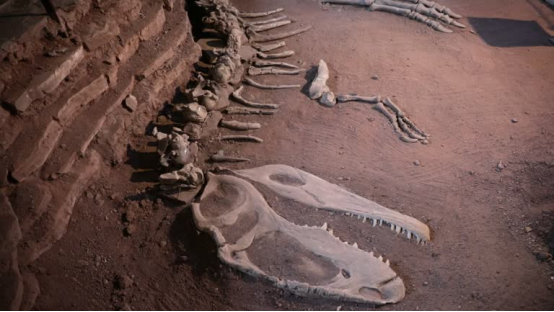
The possibility of resurrecting extinct species
The number of species recorded throughout human history is enormous, yet approximately 99% of them are now extinct . With advances in genetic technology and ecological research, scientists are beginning to explore how to bring some extinct species back to Earth. The feasibility of this approach depends on the timing and cause of extinction, as well as the availability of existing biological material. Generally speaking, four main approaches are currently being explored: reverse domestication, iterative evolution, cloning, and gene editing.
Reverse domestication: Regaining ancestral traits in modern species
Back-breeding is a method of restoring the ancestral form and some living habits as much as possible by selecting individuals in modern species with genetic characteristics close to their ancestors for breeding.
Take the Tarpan, for example. This wild horse became extinct in 1879. Its characteristics include small ears, a short tail, and a medium-sized body. However, its genes persist in modern domestic horses. By selecting horses that resemble their ancestors, scientists have successfully developed breeds similar to the Tarpan, such as the German Hauptbrook.
It’s important to note that reverse domestication doesn’t completely restore the original species. While similar in appearance, the modern genome differs significantly from the original species, so the resulting “resurrected species” is only an approximation of the ancestor.
Iterative evolution: convergent recurrence under natural conditions
Iterative evolution refers to the phenomenon in which traits of extinct species reappear in new individuals under similar ecological conditions without human intervention.
A classic example is the Aldabra white-throated rail , native to the Aldabra Atoll in the Indian Ocean. 130,000 years ago, this bird’s wings gradually degenerated due to a lack of terrestrial predators on the island. However, the atoll was submerged, and the species became extinct. Years later, sea levels dropped, and terrestrial communities reappeared on the new island, including the white-throated rail with the same characteristics. These new individuals were almost identical to the extinct ancient bird, but they were not direct descendants. Instead, they were independent migrants that evolved through convergent evolution to form species with similar appearance and habits.
This phenomenon shows that environmental pressure and ecological conditions have a decisive influence on species morphology, and sometimes nature can “reconstruct” long-extinct characteristics.
Cloning technology: from cell nucleus to complete individual
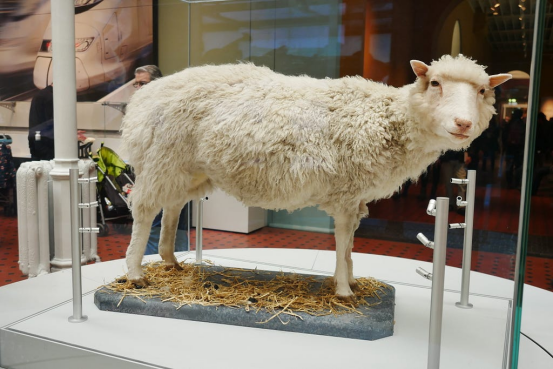
Cloning technology is the most intuitive method of resurrection, but the conditions are harsh and require well-preserved living cells . The process includes:
extracting cell nuclei from extinct species;
Obtain egg cells from closely related species and remove the egg nucleus;
implanting the nucleus of a cell from an extinct species into an egg cell;
Activate the division of fertilized eggs through artificial means;
The embryo is implanted into a surrogate mother to develop into an individual.
This method has had very few successful cases in practice. For example, scientists used tissue from the Pyrenean ibex, which became extinct in 2000, to conduct cloning experiments. Only one embryo out of hundreds was successfully born, but due to respiratory defects, it survived for only seven minutes. While the experiment failed to maintain the individual’s long-term survival, it demonstrated the theoretical feasibility of cloning technology and provided a foundation for future species resurrection.
Gene editing: directly modifying closely related species
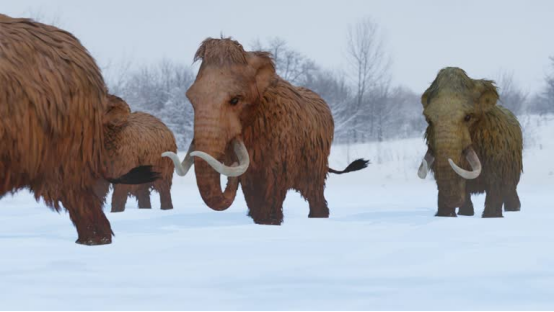
Gene editing technology allows scientists to modify the genome directly at the DNA level, such as adding, deleting, or replacing specific sequences. The advantage of this method is that it can be manipulated by extracting DNA even without living cells, but two conditions must be met:
The extinction time is relatively recent, and DNA can still be extracted;
There are closely related species with highly similar genes that serve as carriers.
The woolly mammoth (Mammuthus primigenius) is an ideal candidate for this approach. Mammoths became extinct approximately 10,000 years ago, and their DNA is well-preserved in the Arctic permafrost. Asian elephants share 99.6% genetic similarity with mammoths . In theory, gene editing could be used to modify Asian elephant sperm or eggs, replacing some or all of their DNA with mammoth genes, thereby creating new individuals resembling mammoths. Research teams are currently testing this approach in the laboratory and are nearing success.
Ecological considerations for resurrecting species
Resurrecting species isn’t just about “restoring history.” From an ecological perspective, resurrected species must be able to find a suitable habitat within existing ecosystems. For example, the woolly mammoth’s native habitat was the Arctic wilderness during the Ice Age. If the environment isn’t suitable, resurrected individuals might only survive in zoos or become extinct again due to their inability to adapt to natural conditions.
Therefore, the main goals of resuscitation should include:
Ecosystem stability : increasing species diversity and filling ecological gaps left by extinct species;
Species adaptability : ensuring that resurrected individuals can survive, reproduce, and interact with their environment;
Scientific and conservation value : Provides reference for species protection, ecological restoration and scientific research.
Whether the resurrected species is exactly the same as before extinction is not the key; environmental adaptability and ecological contribution are the core values.
Method comparison and limitations
| method | Requirements | feasibility | limitation |
| Reverse domestication | Existing offspring species, appearance or traits optional | high | Unable to fully restore the genome |
| Iterative Evolution | Reproducible natural environment | middle | Unable to be controlled by humans, long time |
| clone | Preserving living cells and surrogate mothers | Low | Low survival rate and high risk of genetic defects |
| gene editing | Extinction time is recent, DNA is complete, and closely related species are available | high | The technology is complex, and ethical and ecological risks need to be assessed |
These methods each have their own advantages and limitations. Scientists usually choose the most appropriate resurrection plan based on species characteristics, causes of extinction and ecological environment.
Scientific and ethical thinking
Resurrection technology raises a series of scientific and ethical issues. In addition to technical feasibility, we also need to consider:
Ecological impact : Will resurrecting species disrupt the existing ecological balance?
Ethical controversy : Do humans have the right to intervene in natural history and resurrect extinct species?
Resource investment : Is resurrecting species more valuable than protecting existing endangered species?
These issues remind scientific researchers and the public that they need to weigh the feasibility and significance of resurrection plans from the perspectives of science, ethics, and ecology.
This article has been updated and moved. Click here to go to the latest version:
https://www.aclerly.com/scientific-frontiers-a-comprehensive-guide-to-de-extinction-and-ancient-chronology/
https://www.aclerly.com/scientific-frontiers-a-comprehensive-guide-to-de-extinction-and-ancient-chronology/

This article has been updated and moved. Click here to go to the latest version:
https://www.aclerly.com/the-grand-tapestry-of-human-evolution-traces-timeline-hair-and-future-adaptations/
https://www.aclerly.com/the-grand-tapestry-of-human-evolution-traces-timeline-hair-and-future-adaptations/
Long insect muscle: an evolutionary relic of the wrist
When you extend your hand with your thumb and pinky facing each other and gently bend your wrist backward, about 85% of people will notice a thin, long, band-like bulge in the middle of their wrist. This muscle, called the palmaris longus , plays almost no role in modern humans, but it’s a defining relic of human evolution.
The long worm muscle is highly developed in many quadrupedal primates, such as monkeys, which rely on their forelimbs for support and frequently perform large wrist flexions. As humans began walking upright, the weight-bearing load borne by their forelimbs decreased significantly, and the long worm muscle gradually degenerated. In modern humans, approximately 15% of people completely lack this muscle without any impact on their daily lives. This suggests that even if certain organs or muscles degenerate functionally, they remain in the genome, becoming “historical traces” of evolution.
Piloerection: The physiological significance of goose bumps
Goose bumps are a common piloerection reaction in almost all land mammals . This reaction is caused by the contraction of small muscles under the skin, causing the hair to stand upright. Its physiological functions mainly include two aspects:
Keeping warm : When the ambient temperature drops suddenly, the hair stands up to increase the thickness of the insulation layer and slow down the loss of body heat.
Self-defense : When threatened or frightened, the hair stands up to make the body appear larger, thus deterring potential enemies.
During the process of human evolution, body hair gradually became sparse and the function of piloerection reaction was no longer significant, but its existence still reflects the survival strategy of early mammals.
The grasping reflex: Infants’ primitive survival mechanism

Infants develop a palmar grasp reflex within a few months of birth : when their palms touch an object, their fingers automatically clench. This reaction is similar to the way primates cling to their mother’s womb or back, and is a completely unconscious survival mechanism.
Although modern human infants no longer need to grasp to escape predators or cling to their mothers, this reflex remains in their genes, reflecting a legacy of an evolutionary survival safety strategy.
Semi-vestigial organs: appendix, tonsils, and wisdom teeth
There are also some typical semi-degenerate organs in the human body:
Appendix : Early humans consumed large amounts of plant fiber, and the appendix served to break down indigestible substances. As cooked food and cooking techniques became more common, the appendix’s function gradually weakened.
Tonsils : Originally used to filter bacteria entering the mouth, their independent function gradually degenerates as the body’s immune system improves.
Wisdom teeth (third molars) : Due to the shrinkage of the human jaw and the insufficient depth of the oral cavity, wisdom teeth often cannot erupt normally.
The existence of these organs shows the gradual weakening of organ functions during human evolution, and also provides an evolutionary explanation for medicine.
Reverse inhibition: sporadic expression of recessive genes
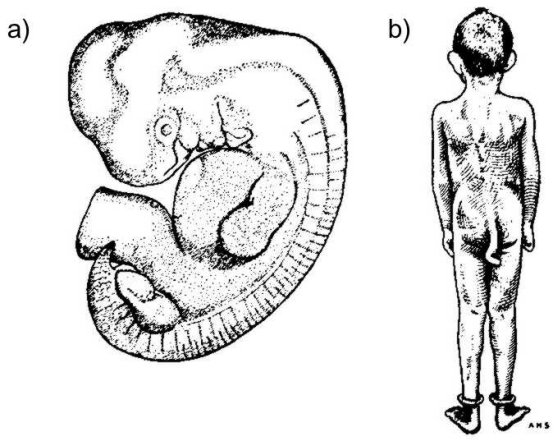
In some cases, features that have degenerated or disappeared can occasionally reappear, a phenomenon known as atavism . Typical examples include:
Tail : Although the human tail is vestigial, the coccyx still exists, and a very small number of babies are born with a movable tail.
Movable ears : About 15% of people can move their ears. This is because the anterior auricular muscles, superior auricular muscles and posterior auricular muscles have almost degenerated during the long process of evolution, but a few people still retain a certain degree of mobility.
Werewolf syndrome : Some people are born with an abnormal increase in body hair or extra ribs in the cervical spine, which is also a counter-resistance phenomenon.
The sporadic appearance of these traits suggests that the relevant genes have not been completely eliminated but are instead expressed through recessive or diluted genes.
Traces of evolution in embryonic development
Human embryos briefly develop a tail during their sixth week of development. This tail is then resorbed during subsequent development, leaving only the coccyx as a relic. If the genes responsible for the coccyx mutate or are otherwise misexpressed, the tail may persist until birth. This process illustrates the crucial role of gene regulation in evolution, determining which traits are retained and which are eroded or hidden.
Furthermore, early human embryos closely resemble other mammals in morphology, such as heart position, limb structure, and tail morphology. This phenomenon emphasizes the gradualness and commonality of evolution and provides an important basis for comparative anatomy and embryology studies.
Other evolutionary relics in the human body
In addition to the examples above, the human body also retains other more common traces of evolution:
Muscles around the ears : Most of the functions of the anterior auricular muscles, superior auricular muscles and posterior auricular muscles that can adjust the direction of the ear have degenerated.
Hair and body hair : Body hair is significantly reduced, but abnormal growth still occurs in a very small number of individuals.
Extra ribs in the neck : called cervical ribs, are an evolutionary remnant that are occasionally visible at birth.
These characteristics indicate that during the long process of human evolution, many organs and functions are in a semi-degenerate state. Their existence is not only physiological evidence, but also provides intuitive material for studying human evolution.
The scientific significance of evolutionary traces
These remaining organs and functions in the human body have important scientific value:
Understanding evolutionary mechanisms : By observing semi-degenerate organs and counter-resistance phenomena, we can trace the path of human evolution and understand the evolution of physiological functions.
Medical and physiological research : The evolutionary background of organs such as the appendix, wisdom teeth, and tonsils helps explain the mechanisms of disease and the necessity of surgery.
Behavior and survival strategies : Functions such as piloerection and grasping reflex reveal the early living environment and behavioral adaptations of humans.
These phenomena remind people that even though modern life has been separated from the natural environment, the human body still retains the imprint of evolutionary history. These “historical traces” are important windows for understanding biology and medicine.
Modern Enlightenment and the Value of Popular Science
Studying the traces of human evolution not only facilitates academic inquiry but also fosters public interest in science. Many people mistakenly believe that evolution is irrelevant to everyday life. However, by observing features like worm muscles, the grasping reflex, and the piloerection response, we can intuitively perceive tangible evidence of evolution. These vivid and accessible examples serve as valuable material for science education and popularization.
At the same time, these evolutionary relics remind us of the limitations of scientific understanding and historical biases. Humans have developed complex mechanisms for adapting to their environment and to themselves. Modern science is constantly decoding these mechanisms, correcting past misunderstandings and providing a theoretical foundation for future medical and biological research.
This article has been updated and moved. Click here to go to the latest version:
https://www.aclerly.com/the-grand-tapestry-of-human-evolution-traces-timeline-hair-and-future-adaptations/
https://www.aclerly.com/the-grand-tapestry-of-human-evolution-traces-timeline-hair-and-future-adaptations/

This article has been updated and moved. Click here to go to the latest version:
https://www.aclerly.com/the-born-criminal-theory-a-historical-analysis-of-phrenology-and-bias/
https://www.aclerly.com/the-born-criminal-theory-a-historical-analysis-of-phrenology-and-bias/
Theory of Born Criminal in 19th Century Europe
In 19th-century Europe, a popular way of thinking, which used facial and cranial features to judge a person’s personality and criminal tendencies, became known as Cesare Lombroso’s Criminal Anthropology . Its originator, Cesare Lombroso, is considered the “Father of Modern Criminology” in the history of criminology.
The core idea of the born criminal theory is that some criminals, especially serious criminals, are driven by nature to commit crimes. Their genes carry a so-called “savage tendency,” which manifests in primitive, violent behavior patterns. This view attempts to explain crime through biology, and its supposed scientific basis comes from a discipline called phrenology.
The origin and development of phrenology
Phrenology was founded by Franz Joseph Gall, a German neurologist in the early 19th century. While working in a mental hospital, Gall noticed similarities in the shapes of the heads of patients with mental illness. He hypothesized that personality, intelligence, and psychological traits might be linked to head shape. To test this theory, Gall began collecting skulls from various sources, including those of the mentally ill, criminals, and historical figures.
Through his research, he proposed the theory of brain compartmentalization, positing that different brain regions are independent and correspond to distinct personality traits. The more developed a particular brain region, the more pronounced the corresponding personality trait is in the individual, and this trait can influence the appearance of the skull. For example, a more developed region can make the skull more prominent, resulting in measurable features. Gall also created a model of the head compartmentalization, labeling the personality traits associated with each region, and designed an instrument to measure skull shape for direct qualitative analysis.
The combination of born criminal theory and phrenology
Lombroso combined phrenology with criminology to develop the concept of the “born criminal.” He identified a series of facial and head features that he claimed were associated with a high propensity to commit crimes, including:
Facial asymmetry
groin nose
big chin
high cheekbones
Flat forehead
Raised brow bone
Big Ears
Sparse body hair
By analyzing the skulls of hundreds of death row inmates, he concluded that approximately 40% of criminal behavior stems from these “innate” head features. This theory was not only used in criminological research, but was also attempted to be applied in investigations and criminal convictions.
Phrenology, racism, and aesthetic prejudice

Phrenology and the theory of born criminals were widely disseminated in Europe at the time, benefiting from prevalent racist ideologies. Researchers linked skull morphology to intelligence and personality across different races, even proposing an “evolutionary gap” between Blacks and Whites, arguing that some races were closer to a primitive state. This view not only lacked scientific basis but also disguised aesthetic bias and racial discrimination as “scientific discovery.”
In fact, many of the “criminal facial features” defined by Lombroso and Gall were based on the aesthetic judgments of the time rather than on biological associations with actual criminal behavior. The logic that individuals deemed “ugly” are more likely to be labeled criminal suspects is clearly seriously flawed.
Theoretical limitations and judicial responses
Despite its popularity among the public and some academic circles, the theory of born criminals has not been widely accepted in judicial practice. One reason is that the theory is too broad and can easily be used by defendants as an excuse. For example, some criminals may claim that their criminal behavior is driven by “innate violent genes,” thereby blurring the lines between personal responsibility.
With the development of scientific methods, phrenology and the theory of born criminals have been gradually discredited as pseudoscience. Modern neurology and criminal psychology indicate that criminal behavior is more influenced by social, psychological, and environmental factors than simply genetics or skull morphology. Modern criminological research has found that family environment, education level, social pressure, and neurochemical factors have a more direct impact on criminal behavior. For example, early traumatic experiences and social rejection are often more predictive of adolescent criminal tendencies than genetic factors.
Contemporary Perspective: Cognitive Biases and Pseudoscience Traps
Although phrenology and the theory of born criminals have long been outdated, the human cognitive patterns they reflect are still worth noting. 200 years ago, those who believed that skull shape determined personality had similar thinking patterns to those who believe in horoscopes, conspiracy theories, or quick psychological tests today:
Tend to use simple logic to explain complex phenomena
Seeking certainty and predictability
Avoid deep analysis and embrace uncertainty
This cognitive bias persists today, especially in the rapidly disseminating online environment. Pseudoscience, conspiracy theories, and inflammatory rhetoric often exploit the human need for “simple patterns” to mislead or manipulate the public. Understanding historical phrenology and the theory of born criminal can help us better identify modern information traps and improve our critical thinking skills.
Supplementary historical cases and cultural influences
The theory of born criminals also had a long-lasting impact on society and culture. This trend of thought can be seen in many detective novels and literary works from the late 19th century to the early 20th century. For example, the descriptions of criminals’ appearance and psychology in the detective stories of French author Edgar Allan Poe and the novels of British author Sherlock Holmes were partly influenced by contemporary theories of phrenology and criminal biology. Furthermore, this “appearance determines character” approach also influenced some early police records, leading law enforcement officials to subconsciously bias their case analysis.
Lessons and Reflections
The popularity of born criminal theory and phrenology reveals the risks of intertwining scientific and social biases. They remind us that:
Science must be based on rigorous evidence , not visual impressions or aesthetic judgments.
Cognitive biases can affect decision-making at any time , especially when it comes to evaluating the behavior of others.
Historical cases can serve as cautionary tales , helping us understand how contemporary society can combat pseudoscience and bias in information dissemination.
Comparing the past and present, humans still need to be wary of the misleading effects of simplistic logic and cognitive shortcuts. The complexity of society means that individual behavior cannot be judged solely by appearance or a single characteristic. The scientific spirit demands constant questioning and deep understanding.
Conclusion
The story of born-again criminal theory and phrenology is not only a history of science but also a reflection on human cognition, biases, and societal beliefs. In modern society, where information dissemination and public opinion are increasingly rapid and complex, understanding these historical lessons can help cultivate critical thinking and avoid falling into pseudoscience and cognitive traps. Perhaps we should reflect on which seemingly plausible claims in today’s online landscape are actually repeating cognitive misconceptions from 200 years ago?
This article has been updated and moved. Click here to go to the latest version:
https://www.aclerly.com/the-born-criminal-theory-a-historical-analysis-of-phrenology-and-bias/
https://www.aclerly.com/the-born-criminal-theory-a-historical-analysis-of-phrenology-and-bias/

This article has been updated and moved. Click here to go to the latest version:
https://www.aclerly.com/the-architecture-of-perception-how-the-human-brain-constructs-reality/
https://www.aclerly.com/the-architecture-of-perception-how-the-human-brain-constructs-reality/
The Fantasy Test: Human Sensitivity to Faces
Even if a photo of a face has been blurred, it can still be recognized by most people. This is because humans are extremely sensitive to facial features. In contrast, when presented with inanimate objects, people often see patterns resembling faces in them, such as cracks in a wall, the shape of clouds, and even the arrangement of furniture. This phenomenon is known in psychology as pareidolia . Simply put, the human brain tends to recognize familiar objects in visual information that are not actually there, especially faces.
The imaginativeness test not only explains the widespread cross-cultural use of emojis, but also reveals the peculiarities of the human visual system. Even with blurry or incomplete facial information, the brain attempts to match it to an existing facial template, resulting in the perception of a “face.” This phenomenon is ubiquitous in everyday life: people often say they see a “face in the moon” or “car headlights that look like eyes,” which is actually the brain executing a facial recognition pattern.
Visual Information Processing: Perception and Recognition
The process by which humans see things can be divided into two core steps: perception and recognition .
Perception stage : After light enters the eye, the retina converts it into electrical signals and transmits them to the visual cortex in the occipital lobe of the brain. At this stage, the brain only receives image information but has not yet understood its content.
Recognition stage : The brain’s visual cortex then extracts key features from the image and passes them to the fusiform gyrus . This brain region is specialized for object recognition, with the right side of the gyrus specifically processing facial information. This mechanism is similar to modern facial recognition algorithms: the brain first determines which areas are likely to be faces and sets a similarity threshold. Patterns that exceed this threshold trigger the perception of “face-likeness.”
The basic features of facial recognition are simple: an inverted triangle structure, symmetrical eyes, and a slightly larger mouth. Images that meet this basic composition easily activate the imaginary testing mechanism. More specific or realistic facial information is then compared with the brain’s existing facial templates, allowing for identification.
The importance of facial recognition: an evolutionary perspective

Humans’ sensitivity to faces is not accidental, but the result of long-term evolution. Facial recognition is crucial for social behavior:
Identify individuals : determine their identity
Interpreting emotions : Judging friendliness, hostility, or fear through facial expressions
Guide behavior : adjust social strategies and respond appropriately
In contrast, other objects, such as hands or cups, do not activate the brain’s preferential recognition mechanism. Faces are so important to humans because vision is our primary sensory tool, not smell or touch (unlike some mammals or insects). Complex social structures and the need for cooperation further enhance facial recognition, making it a priority type of information processed in the brain.
Historically, this ability was likely closely linked to early humans’ survival in groups. In early tribal life, accurately identifying companions, enemies, or potential threats had a direct impact on individual survival. Consequently, the brain evolved mechanisms that are highly sensitive to facial features, enabling rapid recognition even when faces are incomplete or damaged.
Prosopagnosia: A variation in facial recognition ability

Although most people are born with the ability to recognize faces, approximately 2% of the population suffers from congenital face blindness (prosopagnosia) . These people have a weak fusiform gyrus, which results in limited facial recognition:
Mild patients : can recognize faces, but have difficulty remembering detailed features and are easily confused with people who look similar.
Severe patients may not be able to recognize basic facial structures, or even inverted triangle compositions. Faces they see may look like “objects” to them, such as mops or wall patterns.
People with face blindness often rely on hairstyle, clothing, or voice for auxiliary recognition, making them difficult to detect in daily life. This difference in ability shows that even with highly developed facial recognition mechanisms, there are significant individual differences.
Face recognition and social interaction
Facial recognition is more than just a visual ability; it’s a core tool for social adaptation. In complex social environments, humans must quickly interpret others’ identities, intentions, and emotions to determine interaction strategies. Subtle changes in facial expressions, smiles, frowns, and other expressions provide a wealth of information that directly impacts survival and cooperation.
Modern technology is also emulating this ability. For example, AI facial recognition systems are now widely used for security surveillance, smartphone unlocking, and photo tagging for social media. While these algorithms can recognize faces, their understanding of micro-expressions, emotions, or social cues is far inferior to the human brain. This demonstrates that the complexity of human facial recognition far exceeds current technology.
It’s worth noting that facial recognition abilities also exist at varying levels in the animal world. Primates, for example, can distinguish individuals based on facial expressions, while some birds can even recognize faces of their own species and memorize social relationships over many years. This further demonstrates that facial recognition abilities are closely linked to social needs.
Summary and Thoughts
Humans’ heightened sensitivity to faces is the result of a combination of visual processing, evolutionary adaptation, and social needs. From imaginary tasks to real-life face recognition, the brain, through the fusiform gyrus, transforms visual information into social cognition, supporting complex social behaviors. Prosopagnosia reveals individual differences in this ability, reminding us that facial recognition cannot be taken for granted.
In the future, as AI technology develops, how humans and intelligent systems process facial information together will pose new challenges to privacy, social interaction, and ethics. It’s also worth considering how facial recognition capabilities will evolve in modern social networks and virtual environments.
This article has been updated and moved. Click here to go to the latest version:
https://www.aclerly.com/the-architecture-of-perception-how-the-human-brain-constructs-reality/
https://www.aclerly.com/the-architecture-of-perception-how-the-human-brain-constructs-reality/
This article has been updated and moved. Click here to go to the latest version:
https://www.aclerly.com/the-architecture-of-perception-how-the-human-brain-constructs-reality/
https://www.aclerly.com/the-architecture-of-perception-how-the-human-brain-constructs-reality/
Display and Real World: Differences in Color Representation
In everyday life, the colors we see aren’t exactly the same as those displayed on screen. For example, yellow appears in the real world because objects absorb light outside the yellow wavelength range, reflecting only light with wavelengths between approximately 570 and 590 nanometers to the human eye. However, the yellow on a screen isn’t directly emitted by yellow light. Instead, it’s produced by a combination of red, green, and blue primary color pixels at varying brightness levels. When the blue light’s brightness is reduced, the remaining red and green mixture is perceived by the brain as yellow.
The essence of this phenomenon lies in the human visual system. The retina contains three types of cone cells, responsible for sensing light: long-wavelength (red), medium-wavelength (green), and short-wavelength (blue). Yellow light, with a wavelength between red and green, activates both red and green cones, resulting in a yellow perception. Displays achieve the same effect by adjusting the brightness of red and green pixels, creating a similar color experience in the brain.
The Nature of Object Color: Electronic Transitions and Light Absorption
The color of an object is essentially the result of the interaction between the molecular structure of the material’s surface and light. Electrons in the outer shell of an atom operate stably in a low-energy state, known as the ground state. When these electrons absorb sufficient energy, they transition to a higher-energy orbital. This excitation process absorbs energy from light. Different colors of light have different energies, with shorter wavelengths having higher energy. Electrons only absorb light waves with a matching transition energy; the rest is reflected.
For example, if the energy required for an electron transition matches that of blue light, it will absorb blue light and reflect other light. The combination of these reflected light forms the color we perceive. For example, an object reflects red and green light but absorbs blue light, resulting in a yellow appearance. This shows that color is not an inherent property of an object but rather the result of the interaction between electron transitions and light, combined with the retina’s interpretation of light, which creates a subjective perception.
Visual evolution and biological color perception
Humans have three types of cone cells, which are not particularly common among mammals. Most mammals have only two types of cone cells, resulting in a relatively narrow range of color perception. This is related to the nocturnal nature of mammalian ancestors, which led them to evolve a visual system sensitive to light intensity and less sensitive to color. To compensate for their limited color vision, mammals have developed robust senses of smell and hearing, enabling them to effectively perceive the world in nocturnal environments.
In contrast, birds’ visual cells are more complex, sensing not only red, green, and blue, but also violet and some ultraviolet light. This allows birds to discern a wider range of colors, enabling them to use them for courtship, warnings, and ecological communication. The greater the variety of visual cells, the richer and more vibrant the color perception. For example, the plumage colors of tropical birds evolved as visual signals specifically for ecological and social functions.
Mantis shrimp: A world of color beyond humankind
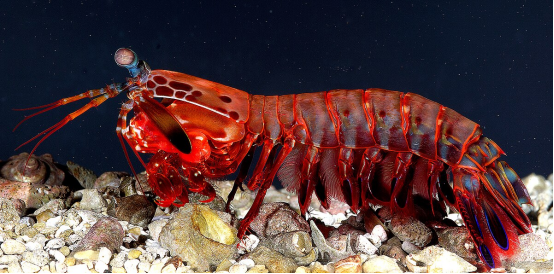
Mantis shrimp have the most advanced color vision in the animal kingdom. They possess 12 photoreceptors, four times as many as humans, capable of sensing light from red to ultraviolet, and even polarized light. However, their visual paradigm differs from that of humans; their color vision is more like a discrete channel system. While humans can distinguish colors with wavelengths differing by about 4 nanometers, the minimum resolvable wavelength difference for mantis shrimp is about 25 nanometers. This means their vision is more like selectively locking onto specific wavelengths of the spectrum to quickly capture prey, rather than integrating continuous color information.
The existence of this unique visual system highlights the adaptive evolution of color across species. Mantis shrimp rely on highly precise light perception for both hunting and survival, and their visual abilities directly influence their survival strategies. Human trichromatic color vision, on the other hand, plays a crucial role in discerning subtle differences in fruit and the environment.
Optical Principles and Structural Color
In addition to the colors produced by chemical pigments, structural color also occurs in nature. Structural color occurs through the interference of light through microscopic surface structures, causing specific wavelengths to reflect and create color. Examples include the blue or green sheen of blue morpho butterflies and peacock feathers. The rarity of blue is related to the complexity of its molecular structure. The complex conjugated double bond system absorbs long-wavelength light and reflects short-wavelength light, but the molecules are unstable and rarely occur naturally. Structural color provides a non-pigmented visual expression and is often used in ecological behaviors such as courtship, warning, and group recognition.
Chemical pigments and conjugated double bond systems
The appearance of chemical pigments depends on the conjugated double bond system within the molecule—a structure characterized by alternating single and double bonds. The greater the number of conjugated double bonds, the longer the wavelength of light the molecule can absorb, and the color shifts toward the blue end. However, the more complex the molecular structure, the lower its stability and the less likely it is to occur naturally. For example, retinol molecules absorb blue-violet light and appear orange-yellow, while synthetic titanium blue pigments require complex processes involving high temperatures and high pressures to achieve a stable blue color.
The evolutionary significance of human color vision
Human trichromatic vision may be a result of later evolution, providing an advantage for identifying ripe fruit or plant maturity. In contrast, mammals have evolved dichromatic vision, which is advantageous for nocturnal travel, while birds and insects, which require more advanced color vision for ecological signals and courtship behaviors, have developed multiple cone cell types and structural color perception capabilities. This diverse visual system reveals the complexity of biological adaptive evolution.
Summarize
Color is the product of the interaction between an object’s molecular structure and light, and the result of the biological visual system’s interpretation of light waves. From the yellow we see on a display screen to the wings of a blue morpho butterfly in nature, every color is rooted in physical, chemical, and biological principles. Human trichromatic vision, bird tetrachromatic vision, and the 12-color perception of mantis shrimp reveal how the evolution of vision is closely linked to ecology, courtship, and survival strategies. Understanding these principles can provide a deeper understanding of the wonders of color in nature and the unique way humans perceive the world.
This article has been updated and moved. Click here to go to the latest version:
https://www.aclerly.com/the-architecture-of-perception-how-the-human-brain-constructs-reality/
https://www.aclerly.com/the-architecture-of-perception-how-the-human-brain-constructs-reality/

This article has been updated and moved. Click here to go to the latest version:
https://www.aclerly.com/the-comprehensive-guide-to-human-biological-variation-genetics-traits-and-societal-implications/
https://www.aclerly.com/the-comprehensive-guide-to-human-biological-variation-genetics-traits-and-societal-implications/
The Origin and Genetic Background of Rednecks
The term “redneck” originally originated from the farmers in the southern United States. These people worked outdoors for long periods of time, and their neck skin was exposed to the sun all year round, showing a distinct red color. However, this red color is not only the result of sun exposure, but is also closely related to genetic characteristics.
Skin color is primarily controlled by the MC1R gene, located on chromosome 16, which regulates melanin synthesis. Melanin is divided into two types: eumelanin and pheomelanin. Eumelanin is dark in color and effectively absorbs UV rays, protecting the skin from damage; pheomelanin is reddish-yellow and less effective at absorbing UV rays.
In some Caucasian individuals, a mutation in the MC1R gene results in decreased eumelanin production and increased pheomelanin production. This genetic trait causes the skin to appear red rather than dark brown when exposed to sunlight, making these individuals more susceptible to sunburn and even skin cancer. This gene mutation is more common in populations of northern and western Europe, including those of Germanic and Celtic descent.
Pigments and the distribution of colors in nature
The colors of organisms throughout nature, not just humans, are largely determined by pigments. The red, yellow, brown, and black colors found on animals, as well as the green of plants, are primarily derived from the light-absorbing properties of specific chemicals. These pigments absorb specific wavelengths of light, resulting in corresponding colors.
It’s worth noting that true blue pigments are extremely rare in nature. Many blue animals and plants don’t actually produce their color from pigments, but rather through structural color. Structural color relies on the interference and reflection of light through microscopic structures, reflecting only specific wavelengths, causing the human eye to perceive blue or other colors.
Principles and Examples of Structural Color
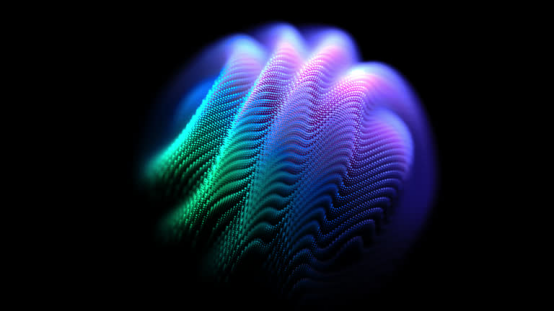
Take the Blue Morpho butterfly, for example. A close examination of its wings reveals virtually no pigment. The blue color is the result of light reflection from the wing’s surface microstructure. When different wavelengths of light interfere with each other, all light except the blue is canceled out, leaving the eye with only the blue color. If the wings are immersed in water, the refraction and interference effects of the structure are altered, and the blue color is reduced or even eliminated.
The example of peacock feathers also illustrates the role of structural color. While the feather itself is dark brown, the bright blue and green colors in the pattern are reflections produced by the optical structure, rather than by direct pigmentation. In contrast, colors like red, yellow, and brown are mostly chemical, resulting from direct absorption of light by pigment molecules.
Why is blue pigment scarce?
Chemical colors rely on a unique system of conjugated double bonds in a molecule’s structure . This structure consists of alternating single and double bonds, typically formed by carbon atoms. If there are enough conjugated double bonds, the molecule will absorb specific wavelengths of visible light, thus producing a color.
The scarcity of blue pigments in nature stems primarily from the complexity of their molecular structure. The conjugated double bonds required for blue are typically longer and less stable than those of other colors, making them difficult to form naturally in living organisms. Even modern synthetic blue pigments require high temperatures, high pressures, or specialized protective conditions to maintain their stability. Phthalocyanine blue, for example, is a prime example of a blue pigment that absorbs long-wavelength light through its complex molecular structure.
MC1R gene and skin protection mechanism
Regarding human skin pigmentation, mutations in the MC1R gene lead to a decrease in eumelanin and an increase in pheomelanin, making the skin more prone to redness. While pheomelanin provides limited protection, it’s insufficient to completely block UV rays. Long-term sun exposure can lead to sunburn and DNA damage, which explains the increased risk of skin cancer in “rednecks.”
This genetic phenomenon is not only a cultural marker but also provides a biological perspective on how humans adapt to different environments. Northern and Western Europeans have lighter skin because they experience less sunlight and therefore require less melanin. The diversity of the MC1R gene reflects human evolutionary adaptation to these diverse environments.
The laws of color evolution in nature
Colors in nature are not only limited by chemical pigments but also influenced by optical structure. Rare colors like blue and green are often formed through structural color, while warm colors like red and yellow are more easily achieved through chemical pigments. This pattern determines visual signals, camouflage strategies, and biological communication within ecosystems. For example, the courtship behavior of blue birds and insects often relies on the optical properties of structural color rather than pigment accumulation.
Furthermore, the emergence of structural color is often accompanied by complex biological behaviors and ecological selection pressures, such as predator avoidance, mate selection, or group recognition. This means that organisms rely not only on chemical pigments to optimize visual signals but also use physical structures to cleverly manipulate light. Some marine organisms, such as tropical fish, also use tiny scale structures to manipulate light reflection and achieve color changes. This mechanism also plays an important role in camouflage and hunting.
Additional Scientific Perspectives: Human Adaptation and Ecological Connections
Beyond pigmentation and optical structure, changes in skin color also reflect the long-term interaction between humans and their environment. Research shows that lighter-skinned people are more likely to synthesize vitamin D, so the evolution of lighter skin in less sunny regions is an adaptation. The emergence of red skin, on the other hand, is a physiological response to intense sunlight. The risks associated with this adaptation also prompted humans to develop cultural countermeasures such as sunscreen, clothing, and shelter.
The distribution of colors in nature also reminds scientists that the appearance of organisms is not just a random phenomenon, but the result of evolutionary pressures, genetic regulation, and the laws of physics. From butterfly wings and bird feathers to human skin color, these visual features have evolved to convey information, provide reproductive advantages, and serve as survival strategies.
Conclusion and Implications
From rednecks to blue birds, the essence of color is a complex combination of genes, molecular structure, and optical principles. Variations in the MC1R gene reveal how human skin adapts to different environments, while the rare blue color found in nature reveals the complementary relationship between chemical pigments and structural color. This not only provides a scientific explanation for biological coloration but also highlights the profound connection between genetic diversity and ecological adaptation.
Modern science has proven that the red color of red necks is not simply a result of tanning, but rather a direct manifestation of a biological phenomenon. Similarly, the rarity and complexity of blue in nature suggests that understanding the laws of nature requires a balanced understanding of chemistry, physics, and biology. Future research into the interaction between pigments and structural color will contribute to materials science, the development of artificial pigments, and the study of biological evolution.
This article has been updated and moved. Click here to go to the latest version:
https://www.aclerly.com/the-comprehensive-guide-to-human-biological-variation-genetics-traits-and-societal-implications/
https://www.aclerly.com/the-comprehensive-guide-to-human-biological-variation-genetics-traits-and-societal-implications/
This article has been updated and moved. Click here to go to the latest version:
https://www.aclerly.com/the-grand-tapestry-of-human-evolution-traces-timeline-hair-and-future-adaptations/
https://www.aclerly.com/the-grand-tapestry-of-human-evolution-traces-timeline-hair-and-future-adaptations/
Human diversity in the ancient world
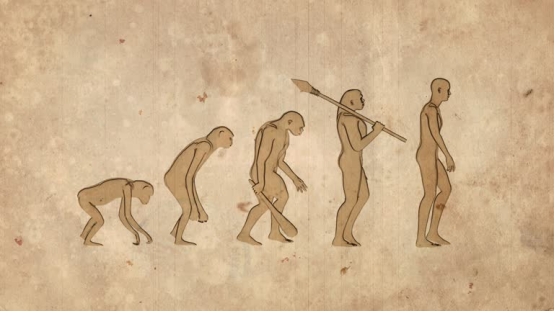
If we go back 50,000 years, modern humans weren’t the only human species on Earth. At that time, there were approximately four or five species of humans, including a dwarf known as “Homo floresiensis,” often referred to as the Hobbit. These species shared certain similarities with modern humans in cognitive abilities and the development of civilization. Homo sapiens is the sole surviving representative of the primate family Hominidae, while many past branches and relatives have gradually disappeared or have interbred with Homo sapiens.
Definition and origin of the genus Homo
From a biological perspective, humans belong to the genus Homo, a primate family in the family Hominidae. Historically, the genus Homo once comprised a diverse array of species, of which modern humans are the sole survivors. Prior to the emergence of Homo sapiens, the genus Homo underwent a long evolutionary process, forming multiple branches, each of which developed unique adaptive strategies for its environment.
Australopithecus and the Beginning of Bipedalism
Around four million years ago, Australopithecus began to diverge in southern and eastern Africa, gradually moving away from arboreal life and towards upright walking. Australopithecus is a key starting point in human evolution, with its skeletal structure showing adaptations from arboreal to terrestrial habitats.
Around 2.8 million years ago, a subset of Australopithecus evolved into Homo habilis. Homo habilis’s brain capacity significantly increased, its prefrontal lobe prominently developed, and its ability to systematically use tools developed. This phase marked the formation of the genus Homo and the beginning of the Paleolithic Age.
The craftsman stage and the use of complex tools
Around 1.9 million years ago, a subset of Homo habilis evolved into an early variant of Homo erectus, characterized by longer, more flexible limbs and the ability to make and use more complex tools. Homo erectus fossils have been found primarily in East Africa, where numerous stone tools and tool marks have been unearthed. Some scholars consider Homo erectus to be a transitional stage between Homo habilis and Homo erectus, rather than a distinct species.
Homo erectus: The beginning of global dispersal
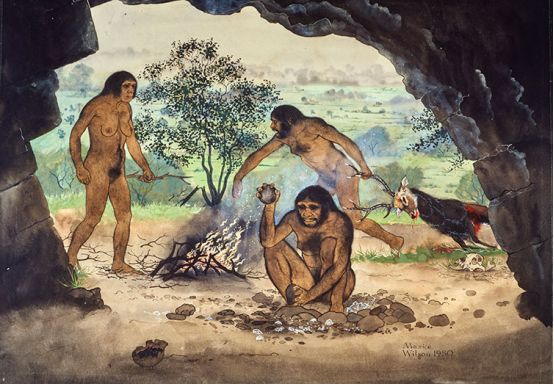
The emergence of Homo erectus around 1.8 million years ago marked the beginning of humankind’s spread out of Africa and into Eurasia. Homo erectus fossils are found across Africa, Europe, and Asia, demonstrating their ability to adapt to diverse environments. Homo erectus also began to use fire, significantly increasing productivity and developing more complex social structures.
During this stage, humans produced multiple branches, laying the foundation for the subsequent emergence of Homo sapiens.
Homo heidelbergensis: the direct ancestor of modern humans
Around 650,000 years ago, Homo heidelbergensis emerged, considered the professional ancestor of modern humans. Homo heidelbergensis had a more complex society, and its remains show traces of burials and symbolic behavior, suggesting enhanced cultural and cognitive abilities.
The emergence of Homo sapiens and the leap in cognitive ability
Around 250,000 years ago, Homo sapiens emerged, developing language and highly complex cognitive structures. They gradually spread to the Americas and Oceania, interacting with their environment and other human species. 200,000 years ago, Homo sapiens were physiologically indistinguishable from modern humans and can be considered the initial configuration of “modern human hardware.” The development of modern civilization is equivalent to the continuous accumulation of “software” on this hardware.
Branching evolution and coexistence of close relatives
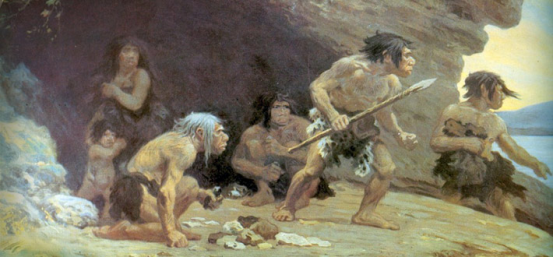
After Homo erectus and Homo heidelbergensis, the genus Homo gave rise to several branches. Homo heidelbergensis gave rise to Neanderthals (Homo neanderthalensis), who competed with Homo sapiens and eventually became partially extinct. Extinction between species is often accompanied by competition for resources, but also by genetic exchange:
European genes contain about 2% Neanderthal genetic information.
Among the indigenous peoples of East Asia, South Asia and Oceania, Denisovan genes account for less than 6%.
The persistence of these genes has potential implications for physiological adaptations in modern humans, such as the immune system and skin, suggesting that closely related species not only existed historically but also integrated into the modern human gene pool in microscopic ways.
Homo floresiensis: The discovery of a small human
Homo floresiensis, discovered on the Indonesian island of Flores, stood only about one meter tall and had a brain capacity only one-third that of Homo sapiens, equivalent to that of a chimpanzee. However, they displayed cognitive abilities comparable to those of their contemporaries, particularly well-developed prefrontal lobes, enabling them to make tools and perform complex activities. This discovery emphasizes that cognitive ability is not solely dependent on brain size but is closely linked to neural structure and behavioral patterns. Homo floresiensis survived long-term in an island environment through group cooperation, hunting, and toolmaking, providing a valuable case study for the study of small-scale social systems.
Human cognition and cultural accumulation
A key reason Homo sapiens was able to rapidly surpass other species is cultural accumulation. Language, symbolic communication, social cooperation, and tool innovation enabled the transmission of knowledge across generations. Early Homo sapiens already possessed the ability to “store” experience and apply it to daily life. This cultural storage mechanism was key to the accelerated development of human civilization.
Furthermore, humans differ significantly from other primates in cognition. While chimpanzees, elephants, or whales may be superior to humans in certain sensory abilities, Homo sapiens was able to transform these abilities into tools for adapting to the environment and creating culture through abstract thinking, language, and technology, thereby establishing an advantage on Earth.
Genetic links between Homo sapiens and their close relatives
Genetic studies reveal a complex history of interbreeding between different human lineages. By analyzing the genes of Neanderthals and Denisovans, scientists have discovered that modern humans benefited from these genes as they adapted to new environments. For example, certain immune genes may have helped Homo sapiens defend against pathogens in European or Asian environments. This cross-species gene exchange demonstrates evolutionary flexibility and challenges the traditional view that a single species evolved independently.
Intelligence and the potential of civilization
Fossil and genetic research reveals that Homo sapiens possessed the fundamental building blocks of modern cognitive abilities as early as 200,000 years ago. The development of modern civilization relies more on accumulated knowledge, culture, and technology than on changes in physiological hardware. This explains why Homo sapiens was able to successfully survive in diverse environments and gradually become the sole human species on Earth.
The overall trend of human evolution
Originated in Africa : Australopithecus – Homo habilis – Homo ergaster – Homo erectus – Heidelberg man – Homo sapiens, forming a main line.
Cognitive improvement : As brain volume and prefrontal lobe develop, tool use, social structure, and cultural abilities gradually increase.
Global spread : Spread from Africa to Eurasia, America and Oceania, adapting to different ecological environments.
Branch extinction and gene retention : Branches such as Neanderthals, Denisovans and Flores people became extinct, but their genes were partially continued through hybridization.
Cultural accumulation accelerates civilization : innovations in language, symbols, and tools enable human knowledge to be transmitted rapidly across generations.
Summary and Enlightenment
Human evolution reveals a complex interplay of biodiversity, environmental adaptation, and cognitive abilities. While different species diverge in intelligence and culture, each exhibits unique adaptive strategies for its environment. The success of modern Homo sapiens is no accident; it is the result of millions of years of evolution, interspecific competition, and cultural accumulation. Understanding these evolutionary processes can better understand how humans have been able to survive independently on Earth and develop advanced civilizations. It also reminds us of the value of preserving biodiversity and preserving our culture.
This article has been updated and moved. Click here to go to the latest version:
https://www.aclerly.com/the-grand-tapestry-of-human-evolution-traces-timeline-hair-and-future-adaptations/
https://www.aclerly.com/the-grand-tapestry-of-human-evolution-traces-timeline-hair-and-future-adaptations/

This article has been updated and moved. Click here to go to the latest version:
https://www.aclerly.com/the-comprehensive-guide-to-human-biological-variation-genetics-traits-and-societal-implications/
https://www.aclerly.com/the-comprehensive-guide-to-human-biological-variation-genetics-traits-and-societal-implications/
Introduction: Is the ratio of males to females at birth really equal?
Human gender is determined by genetics, with males carrying XY chromosomes and females carrying XX. In junior high school biology class, we learned that the probability of male sperm carrying X or Y chromosomes is 50%, so theoretically the probability of male and female births should be equal. However, actual birth data shows that the number of male newborns continues to exceed that of females.
This seemingly minor deviation hides profound biological principles and evolutionary wisdom. Why is the proportion of male births higher? What does this mean for the health and stability of the human population? This article will comprehensively analyze this phenomenon through scientific data and theory.
Current status and statistics of the global sex ratio at birth
According to data from the World Health Organization and health departments of many countries, the global ratio of male to female newborns generally remains between 105 and 107 males to 100 females. This trend exists not only in modern society, but can also be traced back to ancient demographics.
For example, the sex ratio at birth in Japan, the United States, and many European countries shows a similar trend, which shows that the high proportion of male births is not accidental, but a stable phenomenon formed in the process of biological evolution.
It is also worth noting that with the changes of the times, environmental influences and improved medical standards, the sex ratio at birth will fluctuate slightly, but the overall rule that there are more males than females always exists.
Sex chromosome structure and genetic explanation for the prevalence of male newborns
The difference between men and women is rooted in the difference in the 23rd pair of chromosomes. Women have two X chromosomes, while men have X and Y.
The X chromosome carries about 1,000 coding genes involved in a wide range of physiological functions, including immune regulation, while the Y chromosome carries only more than 60 genes, mainly involved in male reproductive function.
This difference directly leads to the disadvantage of male individuals in terms of genetic stability. Women have a “backup” X chromosome, so even if certain genes on one chromosome mutate, the other can compensate; men lack this mechanism, and any harmful mutations are more likely to be directly manifested.
From an immunological perspective, the genes on the X chromosome are closely related to the function of the immune system, which makes males more susceptible to diseases due to immune deficiency during embryonic development and neonatal stages, leading to a higher mortality rate.
Boys’ respiratory system development delayed, leading to higher risk

In addition to the genetic level, boys also have certain disadvantages in their physiological structure. Studies have shown that boys’ lungs usually develop more slowly than girls’, and their respiratory function is less mature.
This makes male babies more susceptible to neonatal respiratory distress syndrome, especially if they do not receive timely modern medical support, the mortality rate can be as high as 50%. Although modern medical care has greatly improved this situation, it is still an important factor in the high mortality rate of male babies.
These physiological and genetic “disadvantages” require nature to balance the gender structure of the overall population by increasing the number of male births.
Sperm competition and fertilization mechanism: Y sperm have obvious advantages
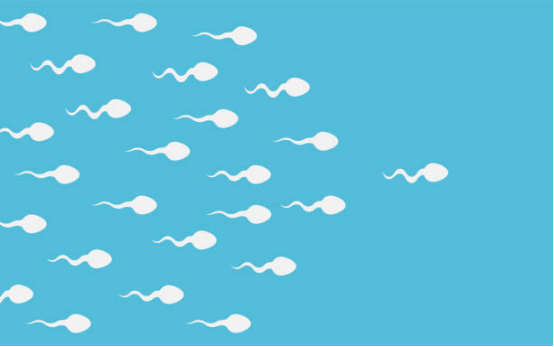
During fertilization, X sperm and Y sperm do not compete completely equally. Y sperm carries less genetic material, is smaller in size, and swims faster. These characteristics make it often reach the egg first in the competition, increasing the probability of forming a male embryo.
However, Y sperm have a shorter lifespan, while X sperm, although slower swimming, can survive longer in the female reproductive tract.
Based on this characteristic, scientists have proposed a theoretical strategy for regulating gender:
Couples planning to have a boy may have sex on the day of ovulation or after to take advantage of the fast-living but short-lived Y sperm for first fertilization.
Couples who plan to have a girl have sex a few days before ovulation, so that the Y sperm will die first, leaving the longer-lived X sperm to complete fertilization.
However, the success rate of this method is limited, at approximately 55% to 60%, and is affected by factors such as the uncertainty of ovulation time.
Effects of embryonic development speed and abortion rate on sex ratio
Successful fertilization does not mean embryo survival. The spontaneous abortion rate of early human embryos is extremely high, ranging from 30% to 50%, much higher than that of most mammals.
The sex of male embryos begins to differentiate around the sixth week, and their development speed is significantly accelerated after the relevant genes are activated, which helps to improve their early survival rate and reduce the risk of miscarriage.
However, because male embryos have a fast metabolism and a large demand for nutrition and oxygen, they are more likely to suffer miscarriage when the pregnancy environment is not good.
Therefore, environmental factors play a key role in regulating the sex ratio at birth.
How environmental pressures affect the sex ratio at birth
Among people who have been living in harsh environments for a long time, the proportion of female newborns tends to increase; conversely, among groups with rich nutrition and good living conditions, the proportion of male newborns is higher.
The evolutionary strategy behind this is: when resources are scarce, having more females helps ensure population reproduction and stability; when resources are abundant, an increase in the number of males promotes the selection of superior genes through competition.
This view also explains historical changes in sex ratios during wars and disasters, arguing that certain socio-environmental pressures actually participate in gender regulation in nature.
Science and society: the ethics and reality of regulating gender
With the development of biotechnology and assisted reproductive technology, humans’ ability to control gender selection has gradually increased.
However, this involves complex ethical and social issues, such as the disruption of gender balance and conflict of social values.
The progress of science should be based on respecting the laws of nature and maintaining social justice, and avoiding excessive intervention that may lead to adverse consequences.
Conclusion: The delicate balance of life is worth pondering
The subtle difference in the male-female birth ratio is the result of long-term evolution and environmental selection in nature, and reflects the wisdom of biodiversity and population stability.
Understanding these mechanisms not only helps us appreciate the wonders of life, but also prompts us to think about the boundaries of technology’s intervention in life.
What do you think of the naturally regulated sex ratio? Can technology change this balance in the future? Feel free to share your views and insights.
This article has been updated and moved. Click here to go to the latest version:
https://www.aclerly.com/the-comprehensive-guide-to-human-biological-variation-genetics-traits-and-societal-implications/
https://www.aclerly.com/the-comprehensive-guide-to-human-biological-variation-genetics-traits-and-societal-implications/

This article has been updated and moved. Click here to go to the latest version:
https://www.aclerly.com/the-grand-tapestry-of-human-evolution-traces-timeline-hair-and-future-adaptations/
https://www.aclerly.com/the-grand-tapestry-of-human-evolution-traces-timeline-hair-and-future-adaptations/
Introduction: The story behind the hair differences
Hair, seemingly ordinary, has played a unique role in human evolution. Compared with most mammals, humans have significantly less body hair, with only hair and beards growing continuously for many years. This phenomenon is not only bizarre, but also full of scientific and cultural significance. Why do our bristles almost disappear, while our hair can grow indefinitely? Why do domestic pets have the shortest hair on their heads? This article will reveal the evolutionary reasons behind this series of curious phenomena, as well as the important role of hair in human physiology and social culture.
The timing and genetic clues of body hair loss
Scientific research shows that humans began to lose their body hair on a large scale about 1.2 million years ago. This conclusion comes mainly from the study of the MC1R gene, which is responsible for regulating the production of melanin in the skin. Melanin not only affects skin color, but is also an important natural sunscreen. As body hair gradually degenerates, the concentration of melanin in the skin increases, becoming the main barrier to protect the skin from UV damage.
This relationship between gene and hair clearly reveals the evolutionary path of humans adapting to open sunlight environment: when body hair becomes less, skin pigment supplements the protective function and forms a new physiological balance.
Evolutionary chain reactions driven by food transition
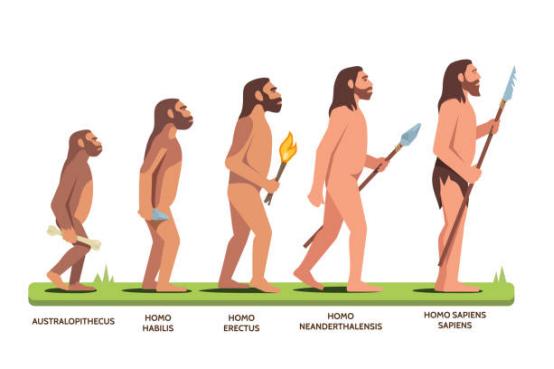
Early human ancestors, such as Australopithecus and early Homo habilis, mainly ate plants, similar to today’s chimpanzees. However, as the brain size rapidly expanded, it was no longer possible to rely solely on the energy provided by plants. Meat, with its high energy density, became an important driving force for the evolution of the brain.
But in the early carnivorous stage, due to their small size and lack of hunting skills, humans could only rely on carrion or leftovers left by predators. It was not until about 1.8 million years ago that with the emergence of Homo erectus, their size increased and they mastered the use of fire, and humans began to form a group hunting method. Although they did not yet make advanced weapons, this high-intensity hunting method greatly increased the requirements for physical functions by exhausting prey through endurance pursuit.
Physical Adaptations: The Evolution of Endurance and Heat Dissipation
The hunting method requires long-lasting endurance and efficient temperature regulation. The human body gradually adapted to this, and the slow muscle fibers were strengthened to support long-term low-intensity exercise. At the same time, sweating became a key means of heat dissipation.
If the whole body is covered with thick body hair, sweat will not evaporate quickly and the heat dissipation efficiency will be low. Therefore, the body hair will degenerate a lot, making room for sweat evaporation and improving the temperature regulation effect. In addition, the human drinking efficiency will also increase, supporting a lot of sweating and ensuring the balance between energy consumption and water replenishment.
Relationship between sweat gland type and hair distribution

Human sweat glands are mainly divided into two categories: small sweat glands and large sweat glands. Small sweat glands are distributed all over the body, especially on the forehead, palms and soles of the feet. They secrete sweat mainly composed of water and salt, and play the main role in regulating body temperature.
Apocrine sweat glands are attached to the hair follicles and secrete a sticky, odorous liquid similar to pheromones, which acts as a body odor and social signal. The hairs are mainly distributed in the armpits, pubic area and other areas, where the apocrine sweat glands are more active.
Although modern society has significantly reduced its reliance on body odor, the symbiotic relationship between these sweat glands and bristles explains why certain areas of hair still remain densely covered, along with a noticeable body odor.
Why is hair retained and its growth cycle extended?
Unlike most body hair, human hair not only remains, but also has an extremely long growth period, up to six years. This characteristic of hair has its unique significance in evolution.
The brain is one of the most sensitive organs in the human body and is extremely sensitive to temperature fluctuations. With the advent of upright walking, the head became the focal area of direct sunlight and the temperature fluctuated dramatically. Hair plays a dual role of insulation and heat preservation, helping to maintain a stable brain temperature and avoid overheating or overcooling.
In addition, hair can block ultraviolet rays and reduce damage to the scalp. For this reason, hair becomes an indispensable natural protective layer on the human body.
Sexual selection and the evolutionary significance of hair length
What is puzzling is that hair can continue to grow for a long time without significantly improving survival. Evolutionary biology suggests that many seemingly useless features are often the result of sexual selection.
The thickness and length of hair are considered a symbol of health and youth, and directly affect an individual’s attractiveness. Hair loss caused by the shrinkage of hair follicles with age often makes people look old, affecting their social life and choice of mate.
In human evolutionary history, long hair may have helped individuals stand out from the crowd and demonstrated reproductive advantages. In modern society, hair is still an important part of aesthetics and identity expression, and this ancient mechanism still affects our behavior.
The cultural and psychological significance of hair
Hair is not only a physical feature, but also deeply rooted in cultural and psychological realms. Hair styles, dyes and haircuts around the world reflect identity, religion, class and personal aesthetics.
Psychological research shows that changes in hairstyles have a significant impact on self-confidence and social interactions. Hair becomes a bridge between biological instincts and social culture, shaping our self-cognition and interpersonal relationships.
Hair, a symbol of evolution and culture
The unique phenomenon of human hair is the product of multiple factors, including genes, environment, behavior and culture. It not only records the process of ancient humans adapting to nature, but also reflects the context of social evolution.
In the future, with the development of science and technology, we may be able to have a deeper understanding of the secrets behind hair, and even use gene editing and biotechnology to reshape this evolutionary heritage.
How do you view the role of hair in modern life? How much does hair affect your self-image and social life? Share your thoughts in the comments.
This article has been updated and moved. Click here to go to the latest version:
https://www.aclerly.com/the-grand-tapestry-of-human-evolution-traces-timeline-hair-and-future-adaptations/
https://www.aclerly.com/the-grand-tapestry-of-human-evolution-traces-timeline-hair-and-future-adaptations/
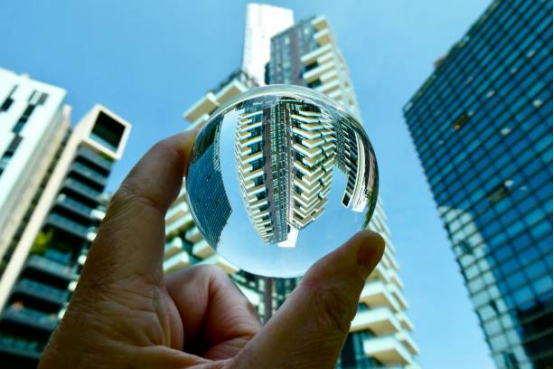
This article has been updated and moved. Click here to go to the latest version:
https://www.aclerly.com/the-architecture-of-perception-how-the-human-brain-constructs-reality/
https://www.aclerly.com/the-architecture-of-perception-how-the-human-brain-constructs-reality/
Introduction: What will the world look like when the perspective is turned upside down?
If you suddenly see the world upside down, how will your brain react? Can you still act normally? This is not science fiction, but a real question that scientists have long explored. How do our visual system and brain work together to “correct” the inverted retinal image to the upright picture we are accustomed to? This process involves the amazing plasticity and sensory integration ability of the brain.
From infant visual development to classic experiments a century ago, to the latest discoveries in modern neuroscience, research has revealed that visual experience is not just passive reception, but the result of active remodeling of the brain. This article will take you to a deeper understanding of the transmission mechanism of visual information, interpret key experiments in history, and how modern science explains the brain’s reconstruction of spatial perception.
Fundamentals of the visual system: Why are images on the retina upside down?
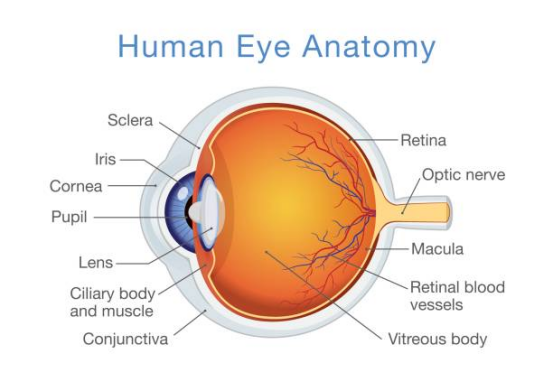
The lens of the human eye functions like a convex lens. Light passes through the lens and is focused and projected onto the retina. However, the physical imaging law determines that the image presented on the retina is upside down. In other words, what the eye “sees” is actually an inverted picture.
This phenomenon is not complicated. It is similar to the principle of imaging when we observe an object through a magnifying glass. After the light passes through the lens, it will be refracted, causing the imaging direction to change. The retina only receives these physical signals and has no ability to “recognize” the image.
So how is the upright world we usually experience formed? The key lies in the visual cortex of the brain. It receives electrical signals from the retina and combines information from other senses of the body, including hearing, smell and especially the vestibular system (responsible for balance and spatial orientation), “flips” the inverted image, and finally forms the upright visual experience we are familiar with.
This shows that vision is not a simple optical imaging, but a complex cognitive process involving multi-sensory coordination and active processing.
Infant visual development and learning
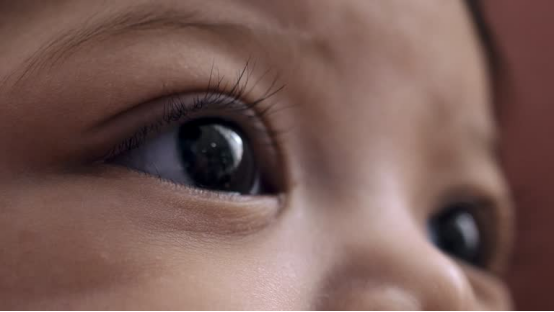
When babies are born, their brains are not yet fully mature in processing visual information, and the world they see may initially be in an “inverted” state. As they continue to observe the environment, move their bodies, and receive multi-sensory stimulation, their brains gradually learn how to “flip” the inverted images, forming a vision that conforms to daily cognition.
If infants are confined to an extremely static environment lacking sensory stimulation, the process of visual adaptation stalls and the inverted visual state may persist for a long time, which emphasizes the key role of sensory stimulation and movement in the visual development of the brain and reflects the early manifestation of neural plasticity.
The inverted glasses experiment: a century-old challenge of visual adaptation
In 1897, American psychologist George Stratton designed a special pair of “inverted glasses” that turned the wearer’s field of vision upside down. This experiment became one of the classic studies of perceptual adaptation in the history of neuroscience.
Stratton had volunteers wear the glasses around the clock to see if the brain could adapt to the inverted visual input and gradually “correct” the upside-down image.
Initial sensory shock and movement disorders
When the volunteers first put on the glasses, they experienced strong visual confusion. Simple daily actions such as walking, writing, and holding a teacup became extremely difficult. Even drawing a straight line could not be completed smoothly, especially horizontal lines. The conflict between vision and other senses caused severe nausea and dizziness.
This dilemma is partly due to the inability of the eyes to stably track moving objects. Whether the object is stationary or the head is moving, the eyes cannot achieve normal visual lock, resulting in serious disorder of spatial perception and difficulty in movement.
The miracle of brain adaptation: sensory integration and spatial reconstruction
Surprisingly, after several days of training and adaptation, the volunteers’ brains began to reshape the way they process visuals, gradually learning to accept inverted images as “normal.”
They could instinctively judge spatial direction and recover skills such as blocking a ball, pouring water, writing and even riding a bicycle. By the seventh day of the experiment, basic life abilities were almost restored. Although the image on the retina was still upside down, the brain had built a new spatial cognition system and successfully flipped the perceived picture.
This discovery shows that the brain has extremely strong plasticity and can reprogram visual and motor neural circuits to adapt to extreme changes in sensory input.
Contemporary research perspective: The dynamic balance between sensory coordination and cognitive plasticity
Since the 20th century, similar visual adaptation experiments have continuously verified the brain’s powerful adjustment ability. Dutch philosopher Jan DH Den Hartog further confirmed through a 30-day visual inversion experiment that visual experience can not only be completely corrected by the brain, but also can switch freely between static and moving states.
Specifically, when the wearer remains still, the vision returns to the inverted state; once the wearer starts to move, the brain can correct the vision in real time with the help of the vestibular system and body touch, returning to normal perception. This phenomenon reveals the close coordination mechanism between sensory inputs.
The Importance of Multisensory Integration
This study emphasizes that visual perception is not produced in isolation, but relies on the coordination of multiple sensory systems in the body. The vestibular system provides spatial balance information, tactile feedback assists positioning, and hearing and smell supplement environmental clues. The brain integrates these signals to build stable spatial cognition.
It is this multisensory integration that ensures that we can maintain reasonable perception and ability to act in the world even in the face of abnormal sensory input.
Philosophical Thinking on Visual Adaptation and Reality
Such experiments not only demonstrate the physiological adaptability of the brain, but also trigger profound thinking about the relationship between “reality” and “perception”.
Our sensory experience is essentially the brain’s interpretation and reconstruction of external stimuli. The “appearance” of reality is not physically objective and fixed, but a cognitive construction generated dynamically by the brain. This means that there are multiple possibilities for our “reality”, depending on the integration of sensory input and the way the brain processes it.
Survival takes precedence over objective reality
Evolution tells us that survival takes precedence over absolute truth. The brain adapts to ensure that we can effectively cope with the environment, even if it means “distorting” or “rewriting” sensory information such as vision and hearing.
This ability allows us to maintain function and quality of life in the face of a variety of perceptual abnormalities, reflecting the flexibility and power of the brain as a cognitive center.
Technology Frontier: Sensory Enhancement and Visual Reshaping in the Future
With the advancement of neuroscience and technology, it may be possible to further expand the limits of the brain’s sensory adaptation through technological means in the future.
Emerging fields such as nanotechnology and brain-computer interfaces are expected to improve the efficiency and capacity of the brain in processing information by enhancing neuronal energy metabolism and optimizing neural network structure. Perhaps one day, we will be able to switch between different perception modes and even achieve simultaneous processing of multiple tasks.
However, these potentials are accompanied by huge challenges and risks, such as energy consumption management and neural signal interference, which still require long-term scientific research and ethical review.
The future trend of collective intelligence and individual cognition
Although the intelligence of an individual brain can only be improved to a limited extent, the overall IQ and knowledge level of the human group is constantly improving. Information sharing and specialization make it possible for everyone to contribute to society by being proficient in a certain field instead of having to master all knowledge.
This division of labor, cooperation and progress in information exchange has promoted the rapid development of science and technology and culture, and has also changed our traditional understanding of “wisdom”.
Conclusion: If your vision is turned upside down, can your brain keep up?
The visual inversion experiment reveals the amazing adaptability of the brain and the sensory integration mechanism, challenging our inherent cognition of “reality” and “perception”. In the future, with the development of science and technology, the boundaries of sensory experience will be continuously expanded.
So, have you ever thought: If your visual world is suddenly turned upside down, how long will it take you to adapt? How much “change” in perception can your brain withstand? Feel free to share your thoughts in the comments section, and let’s explore the mysteries of the brain and perception together.
This article has been updated and moved. Click here to go to the latest version:
https://www.aclerly.com/the-architecture-of-perception-how-the-human-brain-constructs-reality/
https://www.aclerly.com/the-architecture-of-perception-how-the-human-brain-constructs-reality/
This article has been updated and moved. Click here to go to the latest version:
https://www.aclerly.com/the-comprehensive-guide-to-human-biological-variation-genetics-traits-and-societal-implications/
https://www.aclerly.com/the-comprehensive-guide-to-human-biological-variation-genetics-traits-and-societal-implications/
Introduction: Questions about height and life expectancy
The saying “tall people have short lives” seems to have been around for a long time in daily life, and is even regarded as an indisputable “fact” by some people. But how much scientific basis does this view have? The human body is complex and changeable, and the length of life is affected by multiple factors. To truly understand the relationship between height and life expectancy, we must not only rely on statistical data, but also examine it from the perspective of physiology, genetics and evolution.
This article will take you through the animal kingdom, human science and popular research, systematically comb through this topic, and explore the hormone mechanisms and cellular secrets behind it. You will see a full picture that is richer and more scientific than rumors.
Height and life span in the animal kingdom: The story of large and small dogs
In the animal world, differences in body size often lead to significant differences in lifespan. Take dogs, for example. Dogs come in a wide range of sizes, from miniature Chihuahuas to giant Great Danes, with weight and length varying by dozens of times.
Huge differences in life expectancy
Studies have found that the average lifespan of large dogs is usually only 8 to 12 years, while small dogs can live to 12 to 16 years or even longer. This difference has not only attracted the attention of veterinarians and animal behaviorists, but also become a natural experimental field for scientists to understand the relationship between height and lifespan.
Why is a dog’s lifespan inversely proportional to its size? Part of the reason is rapid growth and metabolic rates. Large dogs grow fast, have a high metabolism, and put a greater strain on their body systems. In contrast, small dogs grow slowly, have a lower metabolism, and are more likely to maintain stable body functions.
Evolution and the impact of human intervention
Dogs originated from wolves that were domesticated tens of thousands of years ago. The lifespan of wolves in captivity is about 15 years, and they grow much slower than dogs, taking at least 2 years to reach adulthood. In contrast, the rapid growth of dogs is clearly the result of selective breeding by humans. By screening for gene mutants, breeds that can reach adulthood faster have been bred to meet the needs of work and companionship.
This “artificially accelerated” growth has the side effect of shortening lifespan, which also reflects the potential association between rapid growth and premature aging. In other words, the shorter lifespan of large dogs is both a physiological burden and a legacy of evolution and artificial selection.
Statistical study on human height and life span
Turning to the human field, scientists are also trying to use data to answer whether “tall people have shorter lives” is true.
Analysis of height and life expectancy of NBA and ABA players
In 2017, a study covering nearly a century of data analyzed the life expectancy of more than 3,000 NBA and ABA professional basketball players between 1920 and 2017. The ABA was a basketball league that existed in the mid-20th century and later merged with the NBA.
The study found that the average life expectancy of players with a height of less than 1.85 meters was about 75 years old when they died, while the average life expectancy of players with a height of more than 2 meters was only 56 years old, showing a clear difference.
Comparison of height and life expectancy of California veterans
Another study of more than 300 deceased veterans in San Diego, California, covering data from 1984 to 1988. The results showed that veterans with a height of more than 1.75 meters had an average life expectancy of nearly 5 years shorter than those under 1.75 meters, and those over 1.82 meters lived 7.45 years less than those under 1.7 meters.
Although these studies cannot completely rule out complex variables such as living environment and occupational risks, they all suggest that height is indeed one of the important factors affecting life expectancy.
Core of Biology: IGF-1 Hormone and Life Rhythm
Understanding the impact of height on life span requires delving into the biochemical world of the body. IGF-1, or insulin-like growth factor 1, is an important bridge between body shape and life span.
Function and mechanism of action of IGF-1
IGF-1 is a hormone-like protein secreted by the liver, which is regulated by growth hormone and is responsible for promoting cell division and metabolism. It accelerates the growth and development of individuals, especially during puberty.
The higher the level of IGF-1 in the body, the faster the growth and the taller the body tends to be. However, this rapid growth is also accompanied by more cell replication, which increases the risk of gene mutation and cancer.
IGF-1 and Cancer Risk
Scientific research shows that high concentrations of IGF-1 are positively correlated with the incidence of various cancers. This is because IGF-1 inhibits the normal apoptosis process of cells, allowing damaged cells to continue to survive and divide, increasing the chance of malignant mutations.
This relationship is particularly evident in large dogs. For example, the IGF-1 levels of large breeds such as Golden Retrievers, German Shepherds, and Labradors are more than twenty times that of small dogs. These breeds also have a higher risk of cancer.
The complex relationship between IGF-1 and cardiovascular disease
Regarding the relationship between height and cardiovascular disease, the results of the study are more complicated. In general, taller people have a lower risk of coronary heart disease and hypertension, but are more likely to develop atrial fibrillation and venous thrombosis.
This duality suggests that the relationship between height and health risks cannot be simply summarized as “tall people are healthier” or “tall people are more vulnerable”, but is the result of the interweaving of multiple dimensions.
Aging and longevity genes: the game between IGF-1 and FOX protein
The speed of aging depends largely on the cell’s ability to repair and renew itself. FOXO transcription factor proteins are a key class of anti-aging proteins that can repair cell damage, eliminate potential cancerous cells, and slow down the aging process.
IGF-1 has an inhibitory effect on FOXO protein, which means that people with high IGF-1 levels have weakened cell repair capabilities and age relatively faster.
Members of long-lived families typically have naturally lower IGF-1 levels, which makes the FOXO protein in their bodies more active, allowing cells to be better repaired and maintained, thereby extending their lifespan.
The influence of height: the result of multiple factors
Although height does have a certain correlation with life expectancy, it is far from a decisive factor. Lifestyle, diet, genetics, environmental pollution, medical conditions, etc. can have a huge impact on life expectancy.
Moreover, the height difference between human individuals is not as great as that between dogs, which makes the impact of height on life expectancy relatively weak in reality.
More importantly, social structure and technological progress are constantly changing our lifestyles, and many health risks can be mitigated or prevented through medical means. Therefore, for ordinary people, it is more important to pay attention to healthy habits than to worry about height.
Conclusion: What do you think about the relationship between height and life expectancy?
The relationship between height and life expectancy is far more complicated than a common saying. Through animal experiments, human big data statistics, and research at the hormone and cell levels, we have gradually uncovered a corner of this mystery.
Do you think height affects life expectancy? Or do you know people who have health problems due to their height? Feel free to share your stories and opinions and explore the mysteries of life together.
After all, our height may not be able to be changed, but our attitude towards health and life is completely in our own hands.
This article has been updated and moved. Click here to go to the latest version:
https://www.aclerly.com/the-comprehensive-guide-to-human-biological-variation-genetics-traits-and-societal-implications/
https://www.aclerly.com/the-comprehensive-guide-to-human-biological-variation-genetics-traits-and-societal-implications/

Introduction: Why do chili peppers make people love and feel pain?
In the world of food, few flavors are as polarizing as hot. Some love it, others avoid it. But whether you’re enjoying enchiladas on a Mexican street or challenging ghost pepper sauce at a South Carolina barbecue stand, heat is more than a seasoning—it’s an experience.
Is this fascinating sensory stimulation the result of cultural habits or physiological mechanisms? Why are some people born not afraid of spicy food, while others burst into tears after a bite of spicy food? Understanding this “hot feeling” is actually a complex story spanning genetics, biology and psychology.
Spiciness is not a “flavor” but a pain signal
Spiciness is not a taste, but a “chemical stimulation”.
When you bite into a hot pepper, the nerve endings on your tongue and mouth sense the invasion of capsaicin. This substance activates a protein receptor called TRPV1 , which is designed to detect high temperatures and tissue damage. In other words, when you eat spicy food, your brain actually thinks you are “burned.”
Because of this, spiciness is different from other tastes (such as sweet, salty, and sour) in that it belongs to the category of pain . And people’s sensitivity to spiciness also depends largely on the sensitivity of such receptors – this involves genetic differences.
Are you born with a spicy appetite? Yes, it may really be written in your DNA

The activity of TRPV1 receptors varies from person to person, and this is the biological basis for people being born with a taste for spicy food.
Some people are born with a gene that makes them less sensitive to capsaicin , which makes them feel less intensely the “burning” sensation of chili peppers. Studies have shown that such variations may be related to evolutionary selection at the genetic level in specific populations or individuals.
So, if you are the kind of person who can be calm and composed when eating Thai Tom Yum Goong soup for the first time, it may really be a gift from genes. But if you are not, don’t be too discouraged, because acquired training is the key to changing the sensitivity threshold.
Acquired training: Why can you eat more the more you eat?
You heard it right, the ability to eat spicy food can be “trained”.
The scientific explanation is this: when TRPV1 receptors are exposed to capsaicin for a long time, they will enter a “desensitized” state. This is like wearing headphones for a long time and no longer feeling noisy; or after repeated exercise, the muscle’s tolerance to pain increases.
Many people living in the southern United States, Latin American or Asian communities have been eating spicy food since childhood. Their bodies have completed “adaptive training” early, which makes spicy food no longer “painful” but a daily enjoyment.
Plants’ original intention: Peppers don’t actually want to be eaten by you

Interestingly, peppers are not made spicy just to please us.
From the perspective of plant evolution, the main purpose of capsaicin is to defend against mammals . Because mammals will crush the seeds when eating peppers, and the destruction of seeds will affect plant reproduction. In contrast, birds do not have TRPV1 receptors and will not crush seeds. Instead, they can help peppers “seed” through feces.
In other words, chili peppers were originally designed to ward off predators like us, but humans have become addicted to the pain.
The more you eat, the better: the brain’s “reward compensation mechanism”
So why do humans like this “burning taste”? The key is that we have a brain structure that can convert pain into pleasure .
dopamine because it feels “pain relief”, bringing pleasure and excitement.
This is a classic ” benign masochism mechanism .” That is, under the premise of safety and control , we actively experience mild discomfort, which can actually give us a sense of satisfaction after the stimulation.
This mechanism is not limited to chili peppers. It also explains why we love watching horror movies, skydiving, and taking extremely cold ice baths. In essence, this is all about people “cheating” their brains and triggering pleasure circuits.
Culture and Climate: Why Can Southerners Generally Eat Spicy Foods?
From a global perspective, there is a clear correlation between the cultural distribution of chili peppers and climate.
Tropical and subtropical regions are more prone to bacterial growth and food spoilage, and the capsaicin in chili peppers has antibacterial and antiseptic properties. At the same time, spicy food can also help the body dissipate heat and cool down by promoting sweating , which is a physiological adaptation to high temperature environments.
That’s why spicy cuisines from Mexico to India to Thailand are rooted in hot and humid regions, and in the United States, some southern regions like Louisiana or Texas have developed highly localized spicy cultures.
Everyone can eat spicy food—just the threshold is different
Ultimately, the ability to eat spicy food is the result of the combined effects of genes, environment, habits and psychology.
Are you naturally insensitive to spicy food? Congratulations, you have a gifted taste buds.
Slightly sensitive? Eat more and slowly adapt, and the future will be promising.
Extremely afraid of spicy food? In fact, you just haven’t trained your brain and haven’t mastered the trick of “spicy pleasure”.
If you are willing to accept the challenge, start with a mildly spicy taste and continue to be exposed to spicy food in moderation, your brain will eventually adapt and begin to perceive “pain” as a new pleasure signal.
Are you ready to challenge the “evolution of spicy taste”?
Chili is not only a condiment, it is also an experience shaped by people’s innate perceptual mechanisms and social culture.
So, why not ask yourself: Is your fear of spicy food really because you “can’t eat it” or because you never give yourself a chance to slowly adapt? Welcome to share your “first experience of eating spicy food” or “chili challenge story” in the comment section. We want to know where your taste adventure journey started.

When the room is full of clutter, it is not just about laziness
Almost everyone has come across someone in their life whose home is always filled with stuff, from floor to ceiling, so full that sometimes it’s hard to even find a place to step. It may seem like laziness or slovenliness, but in fact this behavior may not just be a problem of lifestyle, but a psychological disorder called “hoarding disorder.”
Hoarding disorder is not the same as ordinary fetishism or thriftiness. It is a disorder officially listed in the Diagnostic Manual of Mental Disorders. Its core is: the inability to rationally handle the acquisition and disposal of objects . This article will take you to dismantle the psychology, neural mechanisms and social influences behind this behavior, and clarify the origins and development of this modern mentality of “I can live without it, but I can’t live without it”.
Two characteristics of hoarding behavior
In typical hoarding behavior, there are often two complementary tendencies: a strong desire to acquire and an abnormal reluctance to throw away .
The former is particularly evident during consumer festivals, travel shopping, or online flash sales. Regardless of whether the items are practical or necessary, people with hoarding tendencies often cannot control their purchases. Sometimes they don’t even need these things, but they still subconsciously “buy them first.”
The latter is reflected in every corner of daily life – used paper bags, expired skin care products, broken electronic devices, and even childhood notes and toys are carefully preserved. It’s not that they don’t know that these things are “unusable”, but they will fall into an anxiety of “may be used in the future”, making it difficult to make up their minds to discard them.
This “dilemma” turns their home into a concrete projection of their psychological burden.
Endowment Effect: Why is it harder to let go once you have it?
This behavior is not without psychological basis. As early as the 1980s, behavioral economist Richard Thaler proposed a key theory: the endowment effect .
He designed an experiment: a group of students were randomly divided into two groups. One group was given a mug, while the other group was given nothing. Then the two groups were asked to negotiate the buying and selling price. The final result showed that the lowest selling price given by those who already had the mug was much higher than the purchase price that the other group was willing to offer.
This illustrates a simple but profound psychological phenomenon: people will attach higher emotional value and psychological valuation to the items they own . Even items that have just been acquired will be quickly “internalized” as part of the self. Losing it will cause a disproportionate psychological loss.
This mechanism also explains why the “try it out” strategy is so effective in business – when customers already consider the product “part of themselves”, it becomes extremely difficult to return it.
The illusion of security: those things that you don’t need but can’t live without
We may have all heard this sentence: “I can live without it, but I can’t live without it.” This is actually a very typical mild hoarding mentality.
For example, among the people who buy hybrid cars, some people almost only use electric mode in daily driving and rarely need to refuel. But they are still willing to pay extra for the spare engine. Why? Because the mentality of “just in case” is irresistible. Even if that “just in case” never comes, it still brings a sense of psychological security .
For example, in daily life, those clothes that we will never wear, the kitchen supplies that we buy repeatedly, and the electronic accessories that we never use but think “it’s always a good idea to keep” are essentially satisfying a deep-seated anxiety – we are afraid of losing a sense of control, and we are even more afraid that our future selves “will need it but won’t have it”.
When hoarding becomes a disease: The brain’s “overreaction” mechanism

If mild hoarding is a common psychological condition among ordinary people, then hoarding disorder is a mental disorder driven by both psychological trauma and neural mechanisms.
Scientific research has found that when hoarders acquire and discard items, the insula and anterior cingulate cortex in the brain are abnormally active . These two areas are closely related to emotional regulation, decision-making anxiety and self-awareness.
More importantly, this abnormal neural activity often runs in families. However, genes alone do not lead to hoarding disorder, and usually require specific acquired triggers , such as emotional trauma in childhood, major interpersonal losses, or experiencing a period of extreme scarcity of living materials.
For these patients, objects are not just “objects”, they may be substitutes for lost loved ones, compensation for the deprivation of their early years, and the only “order” they can control in a chaotic world.
Who is more likely to be “stuck in clutter”?
Studies have shown that middle-aged and elderly people are at high risk of hoarding . Many people may show mild hoarding tendencies when they are young, but as they age and experience more, this behavior will gradually worsen.
In addition, about 75% of hoarders have other mental health problems, such as anxiety, depression, obsessive-compulsive behavior, and even attention deficit hyperactivity disorder, which further proves that hoarding is not an isolated behavior pattern, but a manifestation of psychological disorder at the material level.
Be kind to those who “can’t bear to throw things away”
We need to re-examine those people who have messy homes and are reluctant to throw things away. It may not be that they don’t know how to organize, but that they bear far stronger psychological fluctuations than ordinary people in every choice between “keeping” and “throwing away”. They are not lazy, but struggling between emotions, memory and the desire for control.
So next time you see someone’s house full of plastic bags, old clothes or empty boxes, try looking at it from a different perspective: they may be using this method to fight against past loss and chaos, trying to build a psychological “refuge” for themselves.
you willing to throw away things you no longer need ?
Every item we are reluctant to let go of has given us some kind of comfort, hope, or a sense of belonging. Learning to organize and discard is not to reject these emotions, but to choose not to rely on them.
Do you have something that you know you won’t use but can’t throw away? Or have you ever felt the sense of security that comes with hoarding at some stage? Please leave a message in the comment section to share your story with “things”. Perhaps, we are all learning not to be owned by our possessions.

This article has been updated and moved. Click here to go to the latest version:
https://www.aclerly.com/the-ultimate-guide-to-talent-neuroscience-subconscious-learning-and-deliberate-practice/
https://www.aclerly.com/the-ultimate-guide-to-talent-neuroscience-subconscious-learning-and-deliberate-practice/
What does it really mean to be “gifted”?
Talent always gives people a vague and mysterious feeling. It is invisible and intangible, but almost everyone can feel its existence in life. Especially in certain fields – music, sports, language, art – we always find that some people are “born with it”, as if they are much more relaxed than others when they first come into contact with it.
So, is talent really something you are born with? If you don’t have talent, will all your efforts be in vain? In other words, are talent and hard work “added” or “multiplied”? Let’s take a closer look at this mysterious concept from a scientific perspective.
The subconscious mind is the operating platform of “talent”
When most of us learn something new, the most intuitive criterion is that some people just learn faster than others . They are coordinated and natural in sports, learn to play musical instruments quickly, and master the intonation and pronunciation of language with extraordinary precision. This performance is not just “smart”, but more accurately, they have a natural sensitivity in this area.
the subconscious system in our brain .
If consciousness is the “stage” for our thinking, judgment and decision-making, then the subconscious is the backstage engineering that supports the entire performance. According to research in psychology and neuroscience, more than 95% of human daily behavior is driven by the subconscious. In contrast, the brain area that consciousness relies on – the prefrontal cortex – is only a small part of the entire neural network, while the subconscious is spread throughout the brain.
This means that a “talented” person is actually better at mobilizing the subconscious system when doing certain things, making the movements faster, smoother, and more thoughtless.
Why are dribbling experts more likely to be considered “gifted”?

Take soccer as an example. Ball sense is often considered an important sign of talent. Dribbling skills, in particular, can demonstrate a person’s precise control of body coordination, timing judgment and spatial perception. The key lies in how naturally the average distance between the ball and the foot is controlled .
Messi is the most classic example of this topic. As one of the best dribblers in history, his dribbling action is almost “one step and one touch”, and the ball never leaves his feet. The reason why he can maintain such a high degree of precision in ball control is not because of “concentration”, but because of muscle memory directly controlled by the subconscious .
This unconscious fluency of movements is the behavioral manifestation of talent.
Myelin: The secret weapon that makes your nerves “react faster”
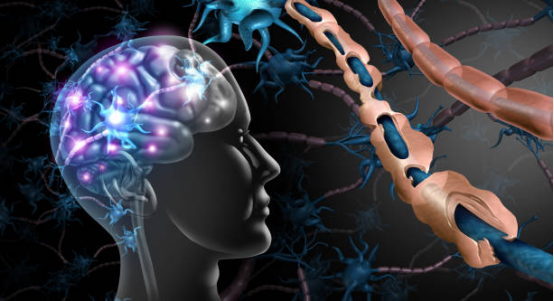
To truly understand talent, we need to introduce a key word in neuroscience: myelin .
Every action, thought, and feeling is achieved through the transmission of electrical signals between neurons. The myelin sheath is the insulating layer wrapped around the outer layer of the neuron “wires”, which can prevent signal leakage and increase the transmission speed.
Importantly, myelinated nerve pathways can conduct signals 100 times faster than unmyelinated ones . In other words, the thicker the myelin sheath, the faster and smoother the nerve response, and the greater the ability to control behavior.
But myelin is not evenly distributed in the brain. Different individuals have different myelin thicknesses in different brain regions. This “local reinforcement” determines each person’s potential talents in different areas: some people have well-developed myelin in the motor cortex and are naturally better at sports; some people have thicker myelin in the auditory center and have an outstanding sense of sound; some people have a strong language center and are able to speak and express themselves easily.
Where does talent come from? Genes and environment work together
What factors affect the thickness of myelin? The first is, of course, genes . The brain structures of different people are not completely the same. Just as some people are born with better eyesight, more pleasant voices, and more coordinated movements, the “hardware configuration” of the brain also varies from person to person.
Another key factor is the nutritional intake during the fetal period . The main components of myelin are phospholipids, cholesterol and protein, so adequate nutritional intake during pregnancy helps the complete development of the nervous system.
However, what really determines whether you can develop a certain ability is not your innate thickness, but the frequency of your acquired use .
How does effort actually shape the brain?
The biggest feature of myelin sheath is that it can be thickened through practice . When you repeat an action or skill, the brain will recognize the “high frequency use” of this neural pathway and continue to thicken its myelin sheath. This is why long-term practice can form “muscle memory”, making tasks that originally required concentration to complete become as natural as breathing.
For example, playing the piano, driving, and typing, once muscle memory is formed, can enter the automatic state, and consciousness can be freed up to handle more complex judgments or creative thinking.
Taking football as an example, a truly high-level player does not “distract himself while dribbling the ball”, but lets his footwork be controlled by his subconscious mind, while his conscious mind focuses on observing his opponent, analyzing the situation, and making judgments. Players with good skills but unrestricted consciousness often fall into the mode of “dribbling the ball without thinking”, resulting in a narrow field of vision and frequent decision-making errors.
So, do talent and hard work add up or multiply each other?
The answer is: addition .
Talent is like an admission ticket, which means that you have a thicker starting myelin sheath in a certain field, which means that you can get started, understand and perceive more easily. But if you want to really achieve results and go further, you must activate this neural pathway through repeated practice and continuously thicken its myelin sheath.
Even if you don’t have a particularly obvious advantage at the beginning, as long as you have the right direction and scientific methods, you can still gradually catch up with those who have innate advantages. The key lies in whether you are willing to “put your efforts in the right place . “
Wrong training may be worse than no training
Effort itself is not always positive. Under the wrong training method, the brain may “reinforce” the wrong muscle memory, causing the myelin sheath of the neural pathway to thicken in the wrong area. Once formed, it is extremely difficult to correct.
This is also why many countries with incomplete youth training systems have difficulty making breakthroughs in the field of sports. A systematically missing training system may cause children to miss the critical window of neurological development during their growth stage, resulting in their ability ceiling being limited early.
This applies not only to football, but also to music, programming, languages and even social skills.
Conclusion: Understand yourself and others
Talent should not be an excuse to restrict efforts, nor should it be regarded as a mysterious superpower. It is more like a kind of physiological condition that “starts early” , which can increase the distance at the starting line, but cannot determine the position of the finish line.
What really widens the gap between people is continuous and correct training, the process of constantly allowing the subconscious to replace the conscious and turning complexity into instinct.
Next time you envy someone who is “born with a knack”, ask yourself: Do I also have unactivated talents in certain areas? Are the efforts I’m making really thickening myelin in the right direction?
This article has been updated and moved. Click here to go to the latest version:
https://www.aclerly.com/the-ultimate-guide-to-talent-neuroscience-subconscious-learning-and-deliberate-practice/
https://www.aclerly.com/the-ultimate-guide-to-talent-neuroscience-subconscious-learning-and-deliberate-practice/

This article has been updated and moved. Click here to go to the latest version:
https://www.aclerly.com/the-architecture-of-perception-how-the-human-brain-constructs-reality/
https://www.aclerly.com/the-architecture-of-perception-how-the-human-brain-constructs-reality/
Introduction: When intuition and probability collide
Have you ever fallen into such a dilemma: seemingly simple choices, but you are unable to judge due to incomplete information? One of the most controversial philosophical experiments in the 21st century, the “Sleeping Beauty Problem”, is such a thought experiment that challenges our common sense and intuition.
It not only involves probability theory and cognitive bias, but also, in a sense, previews how humans face the reality of virtual reality, simulated worlds, and even their own existence. This problem goes far beyond the probability of tossing a coin. It tests how we make rational judgments in a world with asymmetric information.
Experimental setting: When the number of wake-ups is written into the rules
Imagine you have volunteered to participate in a science experiment called “Sleeping Beauty.” On Sunday night, you are put into a deep sleep from which you will not be able to wake up naturally until the end of the experiment.
At the same time, the experimenter will flip a coin:
If Positive: You will wake up once on Monday , and then end the experiment.
If it’s the other way around: You will be woken up once on Monday , then put to sleep again; and woken up again on Tuesday .
Every time you wake up, your memory is completely wiped, and you have no way of knowing whether this is the first time you wake up, or whether it is Monday or Tuesday.
Now, here’s the question: When you wake up and are asked, “What do you think is the probability that the coin is heads?”, how should you answer?
Two answers: 1/2 or 1/3?

The disagreement in this question lies in how to interpret the condition “you are already awake”.
One view is that the answer is 1/2 . Because the coin toss is completed while you are asleep, it is an independent random event, and no matter how many times you are woken up, it does not affect the probability of heads or tails.
Another view is that the answer should be 1/3 . The reason is that, starting from the fact that “you wake up”, the tail side will give you the possibility of waking up twice , while the front side only once. Therefore, among all the possible situations of being awakened , one-third is caused by the front side and two-thirds is caused by the tail side.
This brings up a key question: Are you calculating the objective probability of the coin landing on heads or tails, or the conditional probability given a certain condition: that you are awake ?
Using data to simulate thinking: How are three hundred experiments distributed?
To understand this paradox more intuitively, let’s assume that you take part in this experiment 200 times .
each of the 100 positive times , for a total of 100 times.
on each of the 100 tails , for a total of 200 wake-ups.
In total, you will wake up 300 times, of which only 100 are due to the “heads” result, and the remaining 200 are due to the “tails”. From these “samples” of wake-ups, the coin is heads only 1/3 of the time .
Understood from this perspective, “1/3” does not deny the fairness of the coin itself, but rather reorders the possibilities under the premise that you “wake up”.
Extreme thought experiment: When the number of wake-ups increases infinitely
To further understand the paradoxical nature of this problem, we can push the setting to an extreme:
If the coin lands on the tails, you are not awakened twice, but countless times – for example, you are awakened every day until the end of your life. In this case, “heads” corresponds to only one awakening, while “tails” corresponds to an infinite number of awakenings.
So, when you wake up one day and are asked about the probability of the coin coming out heads, will you still insist on 1/2? Your intuition begins to waver: after waking up countless times, “heads” has almost become an extremely low probability event.
This also reminds us of a core philosophical proposition: Does the world we observe reflect the true picture, or is it just the result of biased samples? This is very similar to the logic of “survivor bias”.
Analogous reality: Are we also living in “sample bias”?
The “Sleeping Beauty Problem” is essentially a deep questioning of the perspective of observation. It shows that in most cases, humans cannot use the “God’s perspective” to look at events, and can only make judgments based on their limited cognition.
All of this is exactly the same as the thinking bias in our real life:
People who survive in a risky industry tend to overestimate the probability of success.
It is difficult for investors who made money in the technology bubble to realize that they were just lucky to get the timing right.
When we are unable to grasp the full picture and can only infer cause and effect based on the partial situation of “what I am experiencing”, it is easy to draw wrong conclusions.
From “Sleeping Beauty” to “Simulated Universe”: How real is our world ?
This kind of thinking extends to an even more surprising question: How can we be sure that the world is real?
As technology develops, the ability to build virtual reality is gradually becoming a reality. From the “metaverse” to strong AI, we are getting closer and closer to the ability to create a simulated world.
Philosopher Nick Bostrom once proposed the “simulated universe hypothesis”: if humans can simulate a highly realistic virtual world in the future, such a world may be simulated in multiple copies .
Among countless simulated worlds, the real world may be just one of the few “positive” ones. From a probability perspective, the possibility that the world we are currently living in is a simulation may be much higher than we are willing to admit .
So, will we never be able to understand the existence of higher dimensions?
If this world was created by some higher-dimensional being, then this “creator” might have simply set the basic physical rules and let the system evolve on its own – just like we run a sandbox game.
In such a setting, no matter how intelligent humans are, they may be “fixed” in a certain thinking model that they cannot escape. Even if we are able to design strong AI, they cannot fully understand our “feelings”, just as we cannot perceive the world in higher dimensions.
This is not science fiction, it is a logical possibility.
Back to the basics: What Sleeping Beauty teaches us is not mathematics, but humility
The “Sleeping Beauty Paradox” is not only a classic example of probabilistic thinking, but also a mirror that allows us to reflect on our own limitations.
It reminds us:
We rarely have complete information;
Many judgments are based on “limited experience”;
Reason and intuition can conflict, and we often mistake intuition for truth;
When faced with uncertainty, it is more important to develop a sense of probability than to pursue definite conclusions.
In other words, it teaches us how to make “relatively rational” judgments with a “limited perspective.”
Do you really know what day you are in?
From “Sleeping Beauty” to the simulated universe, we are ultimately unable to fully confirm whether our world is unique and real.
But it is precisely because of this uncertainty that we must maintain a “healthy skepticism” about our own cognition and use probabilistic thinking to train our insight into the complex world. This is neither a philosophical topic nor just a mathematical model. It is actually about how we make decisions every day, how we understand cause and effect, and how we accept the unknown.
So, if you are “awake” right now, are you sure that today is really the day of the week?
This article has been updated and moved. Click here to go to the latest version:
https://www.aclerly.com/the-architecture-of-perception-how-the-human-brain-constructs-reality/
https://www.aclerly.com/the-architecture-of-perception-how-the-human-brain-constructs-reality/
This article has been updated and moved. Click here to go to the latest version:
https://www.aclerly.com/the-architecture-of-perception-how-the-human-brain-constructs-reality/
https://www.aclerly.com/the-architecture-of-perception-how-the-human-brain-constructs-reality/
Decoding the “potential myth” and reconstructing our true understanding of intelligence
Introduction: A long-standing myth
In the discussion of human intelligence and potential, there is a widely circulated saying: we only use 10% of our brain. This view has been repeatedly cited in science fiction movies, motivational speeches and even some “potential development courses”. Many people therefore firmly believe that if we can “unlock” the remaining 90%, we will have a photographic memory, understand complex theories instantly, and even have superpowers.
But the fact is that this statement has never been supported by any authoritative neuroscience research institute. Even Einstein himself, who is often mentioned, has never publicly expressed similar views. So where does this “10% brain theory” come from? Why is it so confusing? And what is the real working mechanism of our brain?
Why the “10% Theory” is a complete rumor
If only 10% is used, how do you explain the energy consumption?
The human brain accounts for only about 2% of body weight, but consumes about 20% of the body’s energy. This ratio is far higher than that of other animals: rodents such as mice consume 5%, canines consume nearly 6%, and chimpanzees consume only about 10%. What’s even more amazing is that the brain energy consumption of infant humans can even be as high as 60% of the body’s energy.
If 90% of the brain is “idle”, such high energy consumption is meaningless. Natural selection will not retain such an “expensive” but “useless” organ structure.
Use it or lose it is a basic biological law
There is a basic principle in biology: use it or lose it . Whether it is an individual or an entire species, if an organ is not used for a long time, it will degenerate or even disappear. For example, the human appendix and tonsils are considered to be “evolutionary remnants” whose functions have gradually weakened in the past.
Assuming that 90% of the brain is chronically inactive, we should have seen a gradual degeneration over thousands of years, but the opposite is true – the size of the human brain has not changed much, while its functions have continued to evolve.
The truth revealed by modern neuroimaging
When awake, the brain operates almost without any blind spots
Using modern neuroimaging techniques such as functional magnetic resonance imaging (fMRI), scientists can directly observe the active areas of the brain when performing various tasks. Studies have shown that as long as we are awake, there are almost no “idle areas” in the brain.
Even when you’re resting or meditating with your eyes closed, the so-called “default mode network” continues to operate, responsible for complex tasks such as integrating memories, evaluating your own state, and dealing with unfinished problems.
Damage to any part will have a clear impact
If 90% of the areas are really non-functional, then damage to these areas should not have a significant impact. However, clinical observations have found that damage to any small area of the brain can almost lead to abnormalities in language, memory, movement, emotions, etc. This fact itself refutes the claim that “90% is not used.”
Why don’t our brains all “fire at once”?
Neural efficiency mechanism: sparse coding principle
Although the brain is being used as a whole, it is not “fully lit” like a light bulb. Instead, it works in a way called sparse coding – that is, only a few key neural pathways are activated at a time to complete the task.
For example, when we see a cat, our brain does not analyze every hair or pattern of the cat, but extracts features such as “whiskers”, “pointed ears” and “three-petal mouth” to make a quick judgment. This “key feature recognition” not only improves efficiency, but also greatly reduces energy consumption.
Even in a state of highly focused thinking, the human brain will only activate about 16% of its neurons at most. It’s not because we “can only use so many”, but because this is the optimal solution .
Risks of activating more zones simultaneously
Activating the brain to a greater extent does not mean being smarter, but may lead to serious problems. Excessive neural activation can cause information interference , energy overload , and even abnormal neural discharges , leading to diseases such as epilepsy.
Therefore, the brain is not “not willing to use” but “smartly saving use”. Parallel processing of multiple threads like modern computers is ideal, but it also poses a great challenge to the brain structure.
If we really want to “fully develop our brain”, we need technology to intervene
Theoretical Possibility: More Neural Activation = Multithreaded Brain?
If we really want to activate a higher proportion of the brain to reach the “superhuman” level as described in some best-selling novels, we must first solve two technical problems:
First, there is the bottleneck of energy supply. Neurons consume a lot of energy to work, and if we want to activate them on a larger scale, we must improve the efficiency of mitochondria. In the future, it may be possible to increase energy supply through nanorobots, brain ATP injections, and other methods.
Second, the problem of network optimization. Neurons are like urban traffic systems. Improper route design will cause “brain traffic jams.” Modern technology may be able to optimize brain paths and reduce cross-information interference through neural interfaces or neuroplasticity interventions.
The cost of a super brain may be much higher than imagined
Even if these obstacles are overcome, the side effects of the brain running in multiple threads like a CPU cannot be ignored. Higher density of neural signals will bring mood swings, cognitive confusion, and even neural breakdown. In other words, the so-called “100% developed” human beings may not be happier.
Although individual potential is limited, humans as a whole are becoming smarter
Although it is difficult for individual IQ to break through the limit in a short period of time, the “collective intelligence” of humans as a group is growing rapidly.
From the agricultural society to the information age, the accumulation of human knowledge and technology has increased exponentially, and each of our expertise has become more and more specialized. Society no longer needs people who “know everything”, but people who are “specialized” and good at cooperation.
You don’t need to master the entire process from car manufacturing to programming. You only need to do a small part that you are good at to play a huge role in the system. This kind of division of labor and cooperation itself is a manifestation of the evolution of human intelligence.
Conclusion: Optimizing efficiency is worse than developing potential
The phrase “we only use 10% of our brains” is certainly attractive, but in reality, our brains have long been operating efficiently. Instead of fantasizing about the day when the “seal is lifted”, it is better to think about how to maximize thinking efficiency, learning speed, and emotional stability within the existing architecture.
Maybe you don’t need to light up all the neurons, but just find a thinking pathway that suits you best. What do you think? If the performance of the human brain can really be enhanced in the future, are you willing to try the “technologically upgraded version” of yourself?
This article has been updated and moved. Click here to go to the latest version:
https://www.aclerly.com/the-architecture-of-perception-how-the-human-brain-constructs-reality/
https://www.aclerly.com/the-architecture-of-perception-how-the-human-brain-constructs-reality/