Categories
Human Behavior

The mystery of human hair evolution: Why are we different?

This article has been updated and moved. Click here to go to the latest version:
https://www.aclerly.com/the-grand-tapestry-of-human-evolution-traces-timeline-hair-and-future-adaptations/

Introduction: The story behind the hair differences

Hair, seemingly ordinary, has played a unique role in human evolution. Compared with most mammals, humans have significantly less body hair, with only hair and beards growing continuously for many years. This phenomenon is not only bizarre, but also full of scientific and cultural significance. Why do our bristles almost disappear, while our hair can grow indefinitely? Why do domestic pets have the shortest hair on their heads? This article will reveal the evolutionary reasons behind this series of curious phenomena, as well as the important role of hair in human physiology and social culture.


The timing and genetic clues of body hair loss

Scientific research shows that humans began to lose their body hair on a large scale about 1.2 million years ago. This conclusion comes mainly from the study of the MC1R gene, which is responsible for regulating the production of melanin in the skin. Melanin not only affects skin color, but is also an important natural sunscreen. As body hair gradually degenerates, the concentration of melanin in the skin increases, becoming the main barrier to protect the skin from UV damage.

This relationship between gene and hair clearly reveals the evolutionary path of humans adapting to open sunlight environment: when body hair becomes less, skin pigment supplements the protective function and forms a new physiological balance.


Evolutionary chain reactions driven by food transition
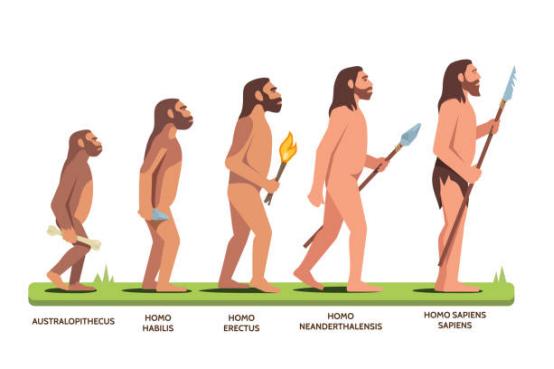
Early human ancestors, such as Australopithecus and early Homo habilis, mainly ate plants, similar to today’s chimpanzees. However, as the brain size rapidly expanded, it was no longer possible to rely solely on the energy provided by plants. Meat, with its high energy density, became an important driving force for the evolution of the brain.

But in the early carnivorous stage, due to their small size and lack of hunting skills, humans could only rely on carrion or leftovers left by predators. It was not until about 1.8 million years ago that with the emergence of Homo erectus, their size increased and they mastered the use of fire, and humans began to form a group hunting method. Although they did not yet make advanced weapons, this high-intensity hunting method greatly increased the requirements for physical functions by exhausting prey through endurance pursuit.


Physical Adaptations: The Evolution of Endurance and Heat Dissipation

The hunting method requires long-lasting endurance and efficient temperature regulation. The human body gradually adapted to this, and the slow muscle fibers were strengthened to support long-term low-intensity exercise. At the same time, sweating became a key means of heat dissipation.

If the whole body is covered with thick body hair, sweat will not evaporate quickly and the heat dissipation efficiency will be low. Therefore, the body hair will degenerate a lot, making room for sweat evaporation and improving the temperature regulation effect. In addition, the human drinking efficiency will also increase, supporting a lot of sweating and ensuring the balance between energy consumption and water replenishment.


Relationship between sweat gland type and hair distribution
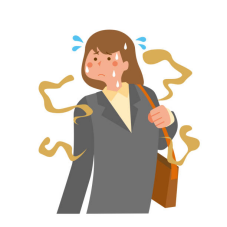
Human sweat glands are mainly divided into two categories: small sweat glands and large sweat glands. Small sweat glands are distributed all over the body, especially on the forehead, palms and soles of the feet. They secrete sweat mainly composed of water and salt, and play the main role in regulating body temperature.

Apocrine sweat glands are attached to the hair follicles and secrete a sticky, odorous liquid similar to pheromones, which acts as a body odor and social signal. The hairs are mainly distributed in the armpits, pubic area and other areas, where the apocrine sweat glands are more active.

Although modern society has significantly reduced its reliance on body odor, the symbiotic relationship between these sweat glands and bristles explains why certain areas of hair still remain densely covered, along with a noticeable body odor.


Why is hair retained and its growth cycle extended?

Unlike most body hair, human hair not only remains, but also has an extremely long growth period, up to six years. This characteristic of hair has its unique significance in evolution.

The brain is one of the most sensitive organs in the human body and is extremely sensitive to temperature fluctuations. With the advent of upright walking, the head became the focal area of direct sunlight and the temperature fluctuated dramatically. Hair plays a dual role of insulation and heat preservation, helping to maintain a stable brain temperature and avoid overheating or overcooling.

In addition, hair can block ultraviolet rays and reduce damage to the scalp. For this reason, hair becomes an indispensable natural protective layer on the human body.


Sexual selection and the evolutionary significance of hair length

What is puzzling is that hair can continue to grow for a long time without significantly improving survival. Evolutionary biology suggests that many seemingly useless features are often the result of sexual selection.

The thickness and length of hair are considered a symbol of health and youth, and directly affect an individual’s attractiveness. Hair loss caused by the shrinkage of hair follicles with age often makes people look old, affecting their social life and choice of mate.

In human evolutionary history, long hair may have helped individuals stand out from the crowd and demonstrated reproductive advantages. In modern society, hair is still an important part of aesthetics and identity expression, and this ancient mechanism still affects our behavior.


The cultural and psychological significance of hair

Hair is not only a physical feature, but also deeply rooted in cultural and psychological realms. Hair styles, dyes and haircuts around the world reflect identity, religion, class and personal aesthetics.

Psychological research shows that changes in hairstyles have a significant impact on self-confidence and social interactions. Hair becomes a bridge between biological instincts and social culture, shaping our self-cognition and interpersonal relationships.


Hair, a symbol of evolution and culture

The unique phenomenon of human hair is the product of multiple factors, including genes, environment, behavior and culture. It not only records the process of ancient humans adapting to nature, but also reflects the context of social evolution.

In the future, with the development of science and technology, we may be able to have a deeper understanding of the secrets behind hair, and even use gene editing and biotechnology to reshape this evolutionary heritage.

How do you view the role of hair in modern life? How much does hair affect your self-image and social life? Share your thoughts in the comments.

This article has been updated and moved. Click here to go to the latest version:
https://www.aclerly.com/the-grand-tapestry-of-human-evolution-traces-timeline-hair-and-future-adaptations/
Categories
Human Behavior

How does the brain process inverted vision? Exploring the amazing adaptability of human perception

This article has been updated and moved. Click here to go to the latest version:
https://www.aclerly.com/the-architecture-of-perception-how-the-human-brain-constructs-reality/

Introduction: What will the world look like when the perspective is turned upside down?

If you suddenly see the world upside down, how will your brain react? Can you still act normally? This is not science fiction, but a real question that scientists have long explored. How do our visual system and brain work together to “correct” the inverted retinal image to the upright picture we are accustomed to? This process involves the amazing plasticity and sensory integration ability of the brain.

From infant visual development to classic experiments a century ago, to the latest discoveries in modern neuroscience, research has revealed that visual experience is not just passive reception, but the result of active remodeling of the brain. This article will take you to a deeper understanding of the transmission mechanism of visual information, interpret key experiments in history, and how modern science explains the brain’s reconstruction of spatial perception.


Fundamentals of the visual system: Why are images on the retina upside down?

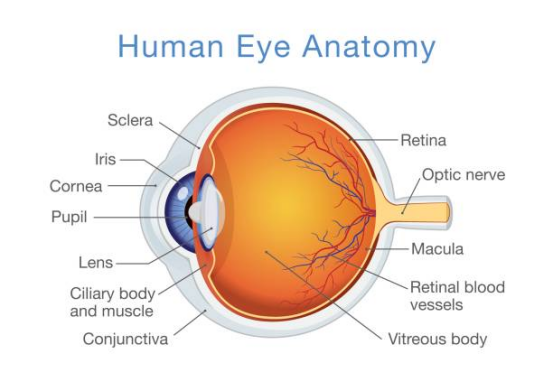
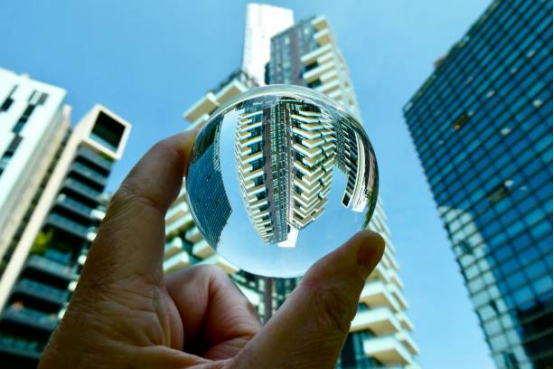
The lens of the human eye functions like a convex lens. Light passes through the lens and is focused and projected onto the retina. However, the physical imaging law determines that the image presented on the retina is upside down. In other words, what the eye “sees” is actually an inverted picture.

This phenomenon is not complicated. It is similar to the principle of imaging when we observe an object through a magnifying glass. After the light passes through the lens, it will be refracted, causing the imaging direction to change. The retina only receives these physical signals and has no ability to “recognize” the image.

So how is the upright world we usually experience formed? The key lies in the visual cortex of the brain. It receives electrical signals from the retina and combines information from other senses of the body, including hearing, smell and especially the vestibular system (responsible for balance and spatial orientation), “flips” the inverted image, and finally forms the upright visual experience we are familiar with.

This shows that vision is not a simple optical imaging, but a complex cognitive process involving multi-sensory coordination and active processing.

Infant visual development and learning

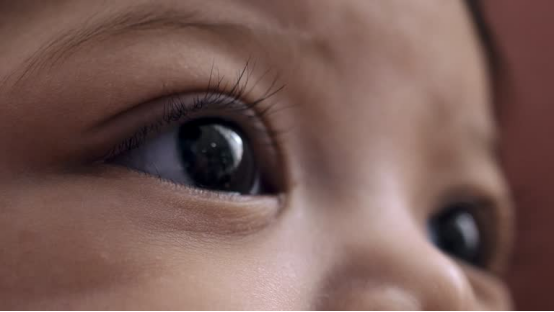
When babies are born, their brains are not yet fully mature in processing visual information, and the world they see may initially be in an “inverted” state. As they continue to observe the environment, move their bodies, and receive multi-sensory stimulation, their brains gradually learn how to “flip” the inverted images, forming a vision that conforms to daily cognition.

If infants are confined to an extremely static environment lacking sensory stimulation, the process of visual adaptation stalls and the inverted visual state may persist for a long time, which emphasizes the key role of sensory stimulation and movement in the visual development of the brain and reflects the early manifestation of neural plasticity.


The inverted glasses experiment: a century-old challenge of visual adaptation

In 1897, American psychologist George Stratton designed a special pair of “inverted glasses” that turned the wearer’s field of vision upside down. This experiment became one of the classic studies of perceptual adaptation in the history of neuroscience.

Stratton had volunteers wear the glasses around the clock to see if the brain could adapt to the inverted visual input and gradually “correct” the upside-down image.

Initial sensory shock and movement disorders

When the volunteers first put on the glasses, they experienced strong visual confusion. Simple daily actions such as walking, writing, and holding a teacup became extremely difficult. Even drawing a straight line could not be completed smoothly, especially horizontal lines. The conflict between vision and other senses caused severe nausea and dizziness.

This dilemma is partly due to the inability of the eyes to stably track moving objects. Whether the object is stationary or the head is moving, the eyes cannot achieve normal visual lock, resulting in serious disorder of spatial perception and difficulty in movement.

The miracle of brain adaptation: sensory integration and spatial reconstruction

Surprisingly, after several days of training and adaptation, the volunteers’ brains began to reshape the way they process visuals, gradually learning to accept inverted images as “normal.”

They could instinctively judge spatial direction and recover skills such as blocking a ball, pouring water, writing and even riding a bicycle. By the seventh day of the experiment, basic life abilities were almost restored. Although the image on the retina was still upside down, the brain had built a new spatial cognition system and successfully flipped the perceived picture.

This discovery shows that the brain has extremely strong plasticity and can reprogram visual and motor neural circuits to adapt to extreme changes in sensory input.


Contemporary research perspective: The dynamic balance between sensory coordination and cognitive plasticity

Since the 20th century, similar visual adaptation experiments have continuously verified the brain’s powerful adjustment ability. Dutch philosopher Jan DH Den Hartog further confirmed through a 30-day visual inversion experiment that visual experience can not only be completely corrected by the brain, but also can switch freely between static and moving states.

Specifically, when the wearer remains still, the vision returns to the inverted state; once the wearer starts to move, the brain can correct the vision in real time with the help of the vestibular system and body touch, returning to normal perception. This phenomenon reveals the close coordination mechanism between sensory inputs.

The Importance of Multisensory Integration

This study emphasizes that visual perception is not produced in isolation, but relies on the coordination of multiple sensory systems in the body. The vestibular system provides spatial balance information, tactile feedback assists positioning, and hearing and smell supplement environmental clues. The brain integrates these signals to build stable spatial cognition.

It is this multisensory integration that ensures that we can maintain reasonable perception and ability to act in the world even in the face of abnormal sensory input.


Philosophical Thinking on Visual Adaptation and Reality

Such experiments not only demonstrate the physiological adaptability of the brain, but also trigger profound thinking about the relationship between “reality” and “perception”.

Our sensory experience is essentially the brain’s interpretation and reconstruction of external stimuli. The “appearance” of reality is not physically objective and fixed, but a cognitive construction generated dynamically by the brain. This means that there are multiple possibilities for our “reality”, depending on the integration of sensory input and the way the brain processes it.

Survival takes precedence over objective reality

Evolution tells us that survival takes precedence over absolute truth. The brain adapts to ensure that we can effectively cope with the environment, even if it means “distorting” or “rewriting” sensory information such as vision and hearing.

This ability allows us to maintain function and quality of life in the face of a variety of perceptual abnormalities, reflecting the flexibility and power of the brain as a cognitive center.


Technology Frontier: Sensory Enhancement and Visual Reshaping in the Future

With the advancement of neuroscience and technology, it may be possible to further expand the limits of the brain’s sensory adaptation through technological means in the future.

Emerging fields such as nanotechnology and brain-computer interfaces are expected to improve the efficiency and capacity of the brain in processing information by enhancing neuronal energy metabolism and optimizing neural network structure. Perhaps one day, we will be able to switch between different perception modes and even achieve simultaneous processing of multiple tasks.

However, these potentials are accompanied by huge challenges and risks, such as energy consumption management and neural signal interference, which still require long-term scientific research and ethical review.


The future trend of collective intelligence and individual cognition

Although the intelligence of an individual brain can only be improved to a limited extent, the overall IQ and knowledge level of the human group is constantly improving. Information sharing and specialization make it possible for everyone to contribute to society by being proficient in a certain field instead of having to master all knowledge.

This division of labor, cooperation and progress in information exchange has promoted the rapid development of science and technology and culture, and has also changed our traditional understanding of “wisdom”.


Conclusion: If your vision is turned upside down, can your brain keep up?

The visual inversion experiment reveals the amazing adaptability of the brain and the sensory integration mechanism, challenging our inherent cognition of “reality” and “perception”. In the future, with the development of science and technology, the boundaries of sensory experience will be continuously expanded.

So, have you ever thought: If your visual world is suddenly turned upside down, how long will it take you to adapt? How much “change” in perception can your brain withstand? Feel free to share your thoughts in the comments section, and let’s explore the mysteries of the brain and perception together.

This article has been updated and moved. Click here to go to the latest version:
https://www.aclerly.com/the-architecture-of-perception-how-the-human-brain-constructs-reality/
Categories
Human Behavior

Do tall people really have a shorter life span? The scientific truth about height and life expectancy

This article has been updated and moved. Click here to go to the latest version:
https://www.aclerly.com/the-comprehensive-guide-to-human-biological-variation-genetics-traits-and-societal-implications/

Introduction: Questions about height and life expectancy

The saying “tall people have short lives” seems to have been around for a long time in daily life, and is even regarded as an indisputable “fact” by some people. But how much scientific basis does this view have? The human body is complex and changeable, and the length of life is affected by multiple factors. To truly understand the relationship between height and life expectancy, we must not only rely on statistical data, but also examine it from the perspective of physiology, genetics and evolution.

This article will take you through the animal kingdom, human science and popular research, systematically comb through this topic, and explore the hormone mechanisms and cellular secrets behind it. You will see a full picture that is richer and more scientific than rumors.


Height and life span in the animal kingdom: The story of large and small dogs

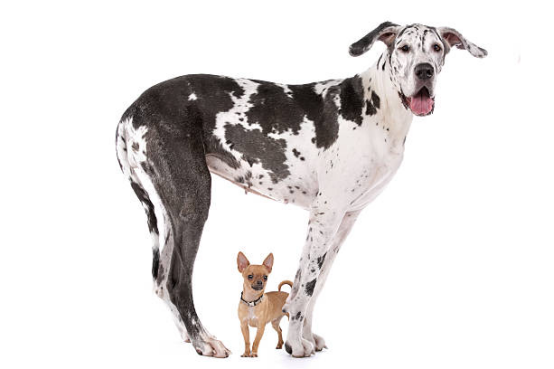
In the animal world, differences in body size often lead to significant differences in lifespan. Take dogs, for example. Dogs come in a wide range of sizes, from miniature Chihuahuas to giant Great Danes, with weight and length varying by dozens of times.

Huge differences in life expectancy

Studies have found that the average lifespan of large dogs is usually only 8 to 12 years, while small dogs can live to 12 to 16 years or even longer. This difference has not only attracted the attention of veterinarians and animal behaviorists, but also become a natural experimental field for scientists to understand the relationship between height and lifespan.

Why is a dog’s lifespan inversely proportional to its size? Part of the reason is rapid growth and metabolic rates. Large dogs grow fast, have a high metabolism, and put a greater strain on their body systems. In contrast, small dogs grow slowly, have a lower metabolism, and are more likely to maintain stable body functions.

Evolution and the impact of human intervention

Dogs originated from wolves that were domesticated tens of thousands of years ago. The lifespan of wolves in captivity is about 15 years, and they grow much slower than dogs, taking at least 2 years to reach adulthood. In contrast, the rapid growth of dogs is clearly the result of selective breeding by humans. By screening for gene mutants, breeds that can reach adulthood faster have been bred to meet the needs of work and companionship.

This “artificially accelerated” growth has the side effect of shortening lifespan, which also reflects the potential association between rapid growth and premature aging. In other words, the shorter lifespan of large dogs is both a physiological burden and a legacy of evolution and artificial selection.


Statistical study on human height and life span

Turning to the human field, scientists are also trying to use data to answer whether “tall people have shorter lives” is true.

Analysis of height and life expectancy of NBA and ABA players

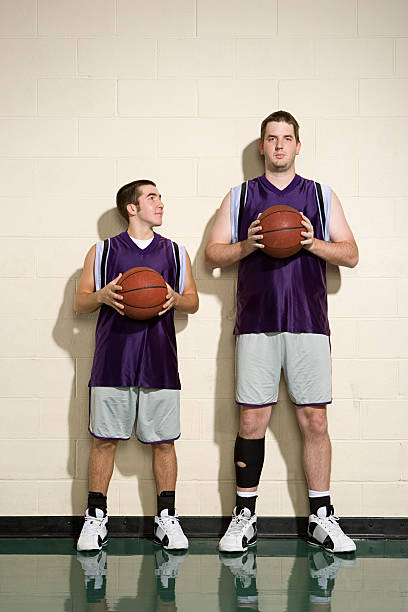
In 2017, a study covering nearly a century of data analyzed the life expectancy of more than 3,000 NBA and ABA professional basketball players between 1920 and 2017. The ABA was a basketball league that existed in the mid-20th century and later merged with the NBA.

The study found that the average life expectancy of players with a height of less than 1.85 meters was about 75 years old when they died, while the average life expectancy of players with a height of more than 2 meters was only 56 years old, showing a clear difference.

Comparison of height and life expectancy of California veterans

Another study of more than 300 deceased veterans in San Diego, California, covering data from 1984 to 1988. The results showed that veterans with a height of more than 1.75 meters had an average life expectancy of nearly 5 years shorter than those under 1.75 meters, and those over 1.82 meters lived 7.45 years less than those under 1.7 meters.

Although these studies cannot completely rule out complex variables such as living environment and occupational risks, they all suggest that height is indeed one of the important factors affecting life expectancy.


Core of Biology: IGF-1 Hormone and Life Rhythm

Understanding the impact of height on life span requires delving into the biochemical world of the body. IGF-1, or insulin-like growth factor 1, is an important bridge between body shape and life span.

Function and mechanism of action of IGF-1

IGF-1 is a hormone-like protein secreted by the liver, which is regulated by growth hormone and is responsible for promoting cell division and metabolism. It accelerates the growth and development of individuals, especially during puberty.

The higher the level of IGF-1 in the body, the faster the growth and the taller the body tends to be. However, this rapid growth is also accompanied by more cell replication, which increases the risk of gene mutation and cancer.

IGF-1 and Cancer Risk

Scientific research shows that high concentrations of IGF-1 are positively correlated with the incidence of various cancers. This is because IGF-1 inhibits the normal apoptosis process of cells, allowing damaged cells to continue to survive and divide, increasing the chance of malignant mutations.

This relationship is particularly evident in large dogs. For example, the IGF-1 levels of large breeds such as Golden Retrievers, German Shepherds, and Labradors are more than twenty times that of small dogs. These breeds also have a higher risk of cancer.

The complex relationship between IGF-1 and cardiovascular disease

Regarding the relationship between height and cardiovascular disease, the results of the study are more complicated. In general, taller people have a lower risk of coronary heart disease and hypertension, but are more likely to develop atrial fibrillation and venous thrombosis.

This duality suggests that the relationship between height and health risks cannot be simply summarized as “tall people are healthier” or “tall people are more vulnerable”, but is the result of the interweaving of multiple dimensions.


Aging and longevity genes: the game between IGF-1 and FOX protein

The speed of aging depends largely on the cell’s ability to repair and renew itself. FOXO transcription factor proteins are a key class of anti-aging proteins that can repair cell damage, eliminate potential cancerous cells, and slow down the aging process.

IGF-1 has an inhibitory effect on FOXO protein, which means that people with high IGF-1 levels have weakened cell repair capabilities and age relatively faster.

Members of long-lived families typically have naturally lower IGF-1 levels, which makes the FOXO protein in their bodies more active, allowing cells to be better repaired and maintained, thereby extending their lifespan.


The influence of height: the result of multiple factors

Although height does have a certain correlation with life expectancy, it is far from a decisive factor. Lifestyle, diet, genetics, environmental pollution, medical conditions, etc. can have a huge impact on life expectancy.

Moreover, the height difference between human individuals is not as great as that between dogs, which makes the impact of height on life expectancy relatively weak in reality.

More importantly, social structure and technological progress are constantly changing our lifestyles, and many health risks can be mitigated or prevented through medical means. Therefore, for ordinary people, it is more important to pay attention to healthy habits than to worry about height.


Conclusion: What do you think about the relationship between height and life expectancy?

The relationship between height and life expectancy is far more complicated than a common saying. Through animal experiments, human big data statistics, and research at the hormone and cell levels, we have gradually uncovered a corner of this mystery.

Do you think height affects life expectancy? Or do you know people who have health problems due to their height? Feel free to share your stories and opinions and explore the mysteries of life together.

After all, our height may not be able to be changed, but our attitude towards health and life is completely in our own hands.

This article has been updated and moved. Click here to go to the latest version:
https://www.aclerly.com/the-comprehensive-guide-to-human-biological-variation-genetics-traits-and-societal-implications/
Categories
Human Behavior

Why do we love spicy food? A complete analysis from genes, culture to the brain’s reward system

Introduction: Why do chili peppers make people love and feel pain?

In the world of food, few flavors are as polarizing as hot. Some love it, others avoid it. But whether you’re enjoying enchiladas on a Mexican street or challenging ghost pepper sauce at a South Carolina barbecue stand, heat is more than a seasoning—it’s an experience.

Is this fascinating sensory stimulation the result of cultural habits or physiological mechanisms? Why are some people born not afraid of spicy food, while others burst into tears after a bite of spicy food? Understanding this “hot feeling” is actually a complex story spanning genetics, biology and psychology.


Spiciness is not a “flavor” but a pain signal

Spiciness is not a taste, but a “chemical stimulation”.

When you bite into a hot pepper, the nerve endings on your tongue and mouth sense the invasion of capsaicin. This substance activates a protein receptor called TRPV1 , which is designed to detect high temperatures and tissue damage. In other words, when you eat spicy food, your brain actually thinks you are “burned.”

Because of this, spiciness is different from other tastes (such as sweet, salty, and sour) in that it belongs to the category of pain . And people’s sensitivity to spiciness also depends largely on the sensitivity of such receptors – this involves genetic differences.


Are you born with a spicy appetite? Yes, it may really be written in your DNA

The activity of TRPV1 receptors varies from person to person, and this is the biological basis for people being born with a taste for spicy food.

Some people are born with a gene that makes them less sensitive to capsaicin , which makes them feel less intensely the “burning” sensation of chili peppers. Studies have shown that such variations may be related to evolutionary selection at the genetic level in specific populations or individuals.

So, if you are the kind of person who can be calm and composed when eating Thai Tom Yum Goong soup for the first time, it may really be a gift from genes. But if you are not, don’t be too discouraged, because acquired training is the key to changing the sensitivity threshold.


Acquired training: Why can you eat more the more you eat?

You heard it right, the ability to eat spicy food can be “trained”.

The scientific explanation is this: when TRPV1 receptors are exposed to capsaicin for a long time, they will enter a “desensitized” state. This is like wearing headphones for a long time and no longer feeling noisy; or after repeated exercise, the muscle’s tolerance to pain increases.

Many people living in the southern United States, Latin American or Asian communities have been eating spicy food since childhood. Their bodies have completed “adaptive training” early, which makes spicy food no longer “painful” but a daily enjoyment.


Plants’ original intention: Peppers don’t actually want to be eaten by you

Interestingly, peppers are not made spicy just to please us.

From the perspective of plant evolution, the main purpose of capsaicin is to defend against mammals . Because mammals will crush the seeds when eating peppers, and the destruction of seeds will affect plant reproduction. In contrast, birds do not have TRPV1 receptors and will not crush seeds. Instead, they can help peppers “seed” through feces.

In other words, chili peppers were originally designed to ward off predators like us, but humans have become addicted to the pain.


The more you eat, the better: the brain’s “reward compensation mechanism”

So why do humans like this “burning taste”? The key is that we have a brain structure that can convert pain into pleasure .

dopamine because it feels “pain relief”, bringing pleasure and excitement.

This is a classic ” benign masochism mechanism .” That is, under the premise of safety and control , we actively experience mild discomfort, which can actually give us a sense of satisfaction after the stimulation.

This mechanism is not limited to chili peppers. It also explains why we love watching horror movies, skydiving, and taking extremely cold ice baths. In essence, this is all about people “cheating” their brains and triggering pleasure circuits.


Culture and Climate: Why Can Southerners Generally Eat Spicy Foods?

From a global perspective, there is a clear correlation between the cultural distribution of chili peppers and climate.

Tropical and subtropical regions are more prone to bacterial growth and food spoilage, and the capsaicin in chili peppers has antibacterial and antiseptic properties. At the same time, spicy food can also help the body dissipate heat and cool down by promoting sweating , which is a physiological adaptation to high temperature environments.

That’s why spicy cuisines from Mexico to India to Thailand are rooted in hot and humid regions, and in the United States, some southern regions like Louisiana or Texas have developed highly localized spicy cultures.


Everyone can eat spicy food—just the threshold is different

Ultimately, the ability to eat spicy food is the result of the combined effects of genes, environment, habits and psychology.

Are you naturally insensitive to spicy food? Congratulations, you have a gifted taste buds.

Slightly sensitive? Eat more and slowly adapt, and the future will be promising.

Extremely afraid of spicy food? In fact, you just haven’t trained your brain and haven’t mastered the trick of “spicy pleasure”.

If you are willing to accept the challenge, start with a mildly spicy taste and continue to be exposed to spicy food in moderation, your brain will eventually adapt and begin to perceive “pain” as a new pleasure signal.


Are you ready to challenge the “evolution of spicy taste”?

Chili is not only a condiment, it is also an experience shaped by people’s innate perceptual mechanisms and social culture.

So, why not ask yourself: Is your fear of spicy food really because you “can’t eat it” or because you never give yourself a chance to slowly adapt? Welcome to share your “first experience of eating spicy food” or “chili challenge story” in the comment section. We want to know where your taste adventure journey started.

Categories
Human Behavior

Why are we reluctant to throw things away? ——In-depth analysis from hoarding psychology to brain mechanism

When the room is full of clutter, it is not just about laziness

Almost everyone has come across someone in their life whose home is always filled with stuff, from floor to ceiling, so full that sometimes it’s hard to even find a place to step. It may seem like laziness or slovenliness, but in fact this behavior may not just be a problem of lifestyle, but a psychological disorder called “hoarding disorder.”

Hoarding disorder is not the same as ordinary fetishism or thriftiness. It is a disorder officially listed in the Diagnostic Manual of Mental Disorders. Its core is: the inability to rationally handle the acquisition and disposal of objects . This article will take you to dismantle the psychology, neural mechanisms and social influences behind this behavior, and clarify the origins and development of this modern mentality of “I can live without it, but I can’t live without it”.


Two characteristics of hoarding behavior

In typical hoarding behavior, there are often two complementary tendencies: a strong desire to acquire and an abnormal reluctance to throw away .

The former is particularly evident during consumer festivals, travel shopping, or online flash sales. Regardless of whether the items are practical or necessary, people with hoarding tendencies often cannot control their purchases. Sometimes they don’t even need these things, but they still subconsciously “buy them first.”

The latter is reflected in every corner of daily life – used paper bags, expired skin care products, broken electronic devices, and even childhood notes and toys are carefully preserved. It’s not that they don’t know that these things are “unusable”, but they will fall into an anxiety of “may be used in the future”, making it difficult to make up their minds to discard them.

This “dilemma” turns their home into a concrete projection of their psychological burden.


Endowment Effect: Why is it harder to let go once you have it?

This behavior is not without psychological basis. As early as the 1980s, behavioral economist Richard Thaler proposed a key theory: the endowment effect .

He designed an experiment: a group of students were randomly divided into two groups. One group was given a mug, while the other group was given nothing. Then the two groups were asked to negotiate the buying and selling price. The final result showed that the lowest selling price given by those who already had the mug was much higher than the purchase price that the other group was willing to offer.

This illustrates a simple but profound psychological phenomenon: people will attach higher emotional value and psychological valuation to the items they own . Even items that have just been acquired will be quickly “internalized” as part of the self. Losing it will cause a disproportionate psychological loss.

This mechanism also explains why the “try it out” strategy is so effective in business – when customers already consider the product “part of themselves”, it becomes extremely difficult to return it.


The illusion of security: those things that you don’t need but can’t live without

We may have all heard this sentence: “I can live without it, but I can’t live without it.” This is actually a very typical mild hoarding mentality.

For example, among the people who buy hybrid cars, some people almost only use electric mode in daily driving and rarely need to refuel. But they are still willing to pay extra for the spare engine. Why? Because the mentality of “just in case” is irresistible. Even if that “just in case” never comes, it still brings a sense of psychological security .

For example, in daily life, those clothes that we will never wear, the kitchen supplies that we buy repeatedly, and the electronic accessories that we never use but think “it’s always a good idea to keep” are essentially satisfying a deep-seated anxiety – we are afraid of losing a sense of control, and we are even more afraid that our future selves “will need it but won’t have it”.


When hoarding becomes a disease: The brain’s “overreaction” mechanism

A messy basement / storage room with lots of things.

If mild hoarding is a common psychological condition among ordinary people, then hoarding disorder is a mental disorder driven by both psychological trauma and neural mechanisms.

Scientific research has found that when hoarders acquire and discard items, the insula and anterior cingulate cortex in the brain are abnormally active . These two areas are closely related to emotional regulation, decision-making anxiety and self-awareness.

More importantly, this abnormal neural activity often runs in families. However, genes alone do not lead to hoarding disorder, and usually require specific acquired triggers , such as emotional trauma in childhood, major interpersonal losses, or experiencing a period of extreme scarcity of living materials.

For these patients, objects are not just “objects”, they may be substitutes for lost loved ones, compensation for the deprivation of their early years, and the only “order” they can control in a chaotic world.


Who is more likely to be “stuck in clutter”?

Studies have shown that middle-aged and elderly people are at high risk of hoarding . Many people may show mild hoarding tendencies when they are young, but as they age and experience more, this behavior will gradually worsen.

In addition, about 75% of hoarders have other mental health problems, such as anxiety, depression, obsessive-compulsive behavior, and even attention deficit hyperactivity disorder, which further proves that hoarding is not an isolated behavior pattern, but a manifestation of psychological disorder at the material level.


Be kind to those who “can’t bear to throw things away”

We need to re-examine those people who have messy homes and are reluctant to throw things away. It may not be that they don’t know how to organize, but that they bear far stronger psychological fluctuations than ordinary people in every choice between “keeping” and “throwing away”. They are not lazy, but struggling between emotions, memory and the desire for control.

So next time you see someone’s house full of plastic bags, old clothes or empty boxes, try looking at it from a different perspective: they may be using this method to fight against past loss and chaos, trying to build a psychological “refuge” for themselves.


you willing to throw away things you no longer need ?

Every item we are reluctant to let go of has given us some kind of comfort, hope, or a sense of belonging. Learning to organize and discard is not to reject these emotions, but to choose not to rely on them.

Do you have something that you know you won’t use but can’t throw away? Or have you ever felt the sense of security that comes with hoarding at some stage? Please leave a message in the comment section to share your story with “things”. Perhaps, we are all learning not to be owned by our possessions.

Categories
Human Behavior

Is talent a mysterious gift from heaven or a result of proper training? ——Understanding the relationship between subconsciousness and hard work from the perspective of neuroscience

This article has been updated and moved. Click here to go to the latest version:
https://www.aclerly.com/the-ultimate-guide-to-talent-neuroscience-subconscious-learning-and-deliberate-practice/

What does it really mean to be “gifted”?

Talent always gives people a vague and mysterious feeling. It is invisible and intangible, but almost everyone can feel its existence in life. Especially in certain fields – music, sports, language, art – we always find that some people are “born with it”, as if they are much more relaxed than others when they first come into contact with it.

So, is talent really something you are born with? If you don’t have talent, will all your efforts be in vain? In other words, are talent and hard work “added” or “multiplied”? Let’s take a closer look at this mysterious concept from a scientific perspective.


The subconscious mind is the operating platform of “talent”

When most of us learn something new, the most intuitive criterion is that some people just learn faster than others . They are coordinated and natural in sports, learn to play musical instruments quickly, and master the intonation and pronunciation of language with extraordinary precision. This performance is not just “smart”, but more accurately, they have a natural sensitivity in this area.

the subconscious system in our brain .

If consciousness is the “stage” for our thinking, judgment and decision-making, then the subconscious is the backstage engineering that supports the entire performance. According to research in psychology and neuroscience, more than 95% of human daily behavior is driven by the subconscious. In contrast, the brain area that consciousness relies on – the prefrontal cortex – is only a small part of the entire neural network, while the subconscious is spread throughout the brain.

This means that a “talented” person is actually better at mobilizing the subconscious system when doing certain things, making the movements faster, smoother, and more thoughtless.


Why are dribbling experts more likely to be considered “gifted”?

Take soccer as an example. Ball sense is often considered an important sign of talent. Dribbling skills, in particular, can demonstrate a person’s precise control of body coordination, timing judgment and spatial perception. The key lies in how naturally the average distance between the ball and the foot is controlled .

Messi is the most classic example of this topic. As one of the best dribblers in history, his dribbling action is almost “one step and one touch”, and the ball never leaves his feet. The reason why he can maintain such a high degree of precision in ball control is not because of “concentration”, but because of muscle memory directly controlled by the subconscious .

This unconscious fluency of movements is the behavioral manifestation of talent.


Myelin: The secret weapon that makes your nerves “react faster”

To truly understand talent, we need to introduce a key word in neuroscience: myelin .

Every action, thought, and feeling is achieved through the transmission of electrical signals between neurons. The myelin sheath is the insulating layer wrapped around the outer layer of the neuron “wires”, which can prevent signal leakage and increase the transmission speed.

Importantly, myelinated nerve pathways can conduct signals 100 times faster than unmyelinated ones . In other words, the thicker the myelin sheath, the faster and smoother the nerve response, and the greater the ability to control behavior.

But myelin is not evenly distributed in the brain. Different individuals have different myelin thicknesses in different brain regions. This “local reinforcement” determines each person’s potential talents in different areas: some people have well-developed myelin in the motor cortex and are naturally better at sports; some people have thicker myelin in the auditory center and have an outstanding sense of sound; some people have a strong language center and are able to speak and express themselves easily.


Where does talent come from? Genes and environment work together

What factors affect the thickness of myelin? The first is, of course, genes . The brain structures of different people are not completely the same. Just as some people are born with better eyesight, more pleasant voices, and more coordinated movements, the “hardware configuration” of the brain also varies from person to person.

Another key factor is the nutritional intake during the fetal period . The main components of myelin are phospholipids, cholesterol and protein, so adequate nutritional intake during pregnancy helps the complete development of the nervous system.

However, what really determines whether you can develop a certain ability is not your innate thickness, but the frequency of your acquired use .


How does effort actually shape the brain?

The biggest feature of myelin sheath is that it can be thickened through practice . When you repeat an action or skill, the brain will recognize the “high frequency use” of this neural pathway and continue to thicken its myelin sheath. This is why long-term practice can form “muscle memory”, making tasks that originally required concentration to complete become as natural as breathing.

For example, playing the piano, driving, and typing, once muscle memory is formed, can enter the automatic state, and consciousness can be freed up to handle more complex judgments or creative thinking.

Taking football as an example, a truly high-level player does not “distract himself while dribbling the ball”, but lets his footwork be controlled by his subconscious mind, while his conscious mind focuses on observing his opponent, analyzing the situation, and making judgments. Players with good skills but unrestricted consciousness often fall into the mode of “dribbling the ball without thinking”, resulting in a narrow field of vision and frequent decision-making errors.


So, do talent and hard work add up or multiply each other?

The answer is: addition .

Talent is like an admission ticket, which means that you have a thicker starting myelin sheath in a certain field, which means that you can get started, understand and perceive more easily. But if you want to really achieve results and go further, you must activate this neural pathway through repeated practice and continuously thicken its myelin sheath.

Even if you don’t have a particularly obvious advantage at the beginning, as long as you have the right direction and scientific methods, you can still gradually catch up with those who have innate advantages. The key lies in whether you are willing to “put your efforts in the right place . “


Wrong training may be worse than no training

Effort itself is not always positive. Under the wrong training method, the brain may “reinforce” the wrong muscle memory, causing the myelin sheath of the neural pathway to thicken in the wrong area. Once formed, it is extremely difficult to correct.

This is also why many countries with incomplete youth training systems have difficulty making breakthroughs in the field of sports. A systematically missing training system may cause children to miss the critical window of neurological development during their growth stage, resulting in their ability ceiling being limited early.

This applies not only to football, but also to music, programming, languages and even social skills.


Conclusion: Understand yourself and others

Talent should not be an excuse to restrict efforts, nor should it be regarded as a mysterious superpower. It is more like a kind of physiological condition that “starts early” , which can increase the distance at the starting line, but cannot determine the position of the finish line.

What really widens the gap between people is continuous and correct training, the process of constantly allowing the subconscious to replace the conscious and turning complexity into instinct.

Next time you envy someone who is “born with a knack”, ask yourself: Do I also have unactivated talents in certain areas? Are the efforts I’m making really thickening myelin in the right direction?

This article has been updated and moved. Click here to go to the latest version:
https://www.aclerly.com/the-ultimate-guide-to-talent-neuroscience-subconscious-learning-and-deliberate-practice/
Categories
Human Behavior

From the “Sleeping Beauty Paradox” to the simulated universe: Can we trust our perception?

This article has been updated and moved. Click here to go to the latest version:
https://www.aclerly.com/the-architecture-of-perception-how-the-human-brain-constructs-reality/

Introduction: When intuition and probability collide

Have you ever fallen into such a dilemma: seemingly simple choices, but you are unable to judge due to incomplete information? One of the most controversial philosophical experiments in the 21st century, the “Sleeping Beauty Problem”, is such a thought experiment that challenges our common sense and intuition.

It not only involves probability theory and cognitive bias, but also, in a sense, previews how humans face the reality of virtual reality, simulated worlds, and even their own existence. This problem goes far beyond the probability of tossing a coin. It tests how we make rational judgments in a world with asymmetric information.


Experimental setting: When the number of wake-ups is written into the rules

Imagine you have volunteered to participate in a science experiment called “Sleeping Beauty.” On Sunday night, you are put into a deep sleep from which you will not be able to wake up naturally until the end of the experiment.

At the same time, the experimenter will flip a coin:

If Positive: You will wake up once on Monday , and then end the experiment.

If it’s the other way around: You will be woken up once on Monday , then put to sleep again; and woken up again on Tuesday .

Every time you wake up, your memory is completely wiped, and you have no way of knowing whether this is the first time you wake up, or whether it is Monday or Tuesday.

Now, here’s the question: When you wake up and are asked, “What do you think is the probability that the coin is heads?”, how should you answer?


Two answers: 1/2 or 1/3?

The disagreement in this question lies in how to interpret the condition “you are already awake”.

One view is that the answer is 1/2 . Because the coin toss is completed while you are asleep, it is an independent random event, and no matter how many times you are woken up, it does not affect the probability of heads or tails.

Another view is that the answer should be 1/3 . The reason is that, starting from the fact that “you wake up”, the tail side will give you the possibility of waking up twice , while the front side only once. Therefore, among all the possible situations of being awakened , one-third is caused by the front side and two-thirds is caused by the tail side.

This brings up a key question: Are you calculating the objective probability of the coin landing on heads or tails, or the conditional probability given a certain condition: that you are awake ?


Using data to simulate thinking: How are three hundred experiments distributed?

To understand this paradox more intuitively, let’s assume that you take part in this experiment 200 times .

each of the 100 positive times , for a total of 100 times.

on each of the 100 tails , for a total of 200 wake-ups.

In total, you will wake up 300 times, of which only 100 are due to the “heads” result, and the remaining 200 are due to the “tails”. From these “samples” of wake-ups, the coin is heads only 1/3 of the time .

Understood from this perspective, “1/3” does not deny the fairness of the coin itself, but rather reorders the possibilities under the premise that you “wake up”.


Extreme thought experiment: When the number of wake-ups increases infinitely

To further understand the paradoxical nature of this problem, we can push the setting to an extreme:

If the coin lands on the tails, you are not awakened twice, but countless times – for example, you are awakened every day until the end of your life. In this case, “heads” corresponds to only one awakening, while “tails” corresponds to an infinite number of awakenings.

So, when you wake up one day and are asked about the probability of the coin coming out heads, will you still insist on 1/2? Your intuition begins to waver: after waking up countless times, “heads” has almost become an extremely low probability event.

This also reminds us of a core philosophical proposition: Does the world we observe reflect the true picture, or is it just the result of biased samples? This is very similar to the logic of “survivor bias”.


Analogous reality: Are we also living in “sample bias”?

The “Sleeping Beauty Problem” is essentially a deep questioning of the perspective of observation. It shows that in most cases, humans cannot use the “God’s perspective” to look at events, and can only make judgments based on their limited cognition.

All of this is exactly the same as the thinking bias in our real life:

People who survive in a risky industry tend to overestimate the probability of success.

It is difficult for investors who made money in the technology bubble to realize that they were just lucky to get the timing right.

When we are unable to grasp the full picture and can only infer cause and effect based on the partial situation of “what I am experiencing”, it is easy to draw wrong conclusions.


From “Sleeping Beauty” to “Simulated Universe”: How real is our world ?

This kind of thinking extends to an even more surprising question: How can we be sure that the world is real?

As technology develops, the ability to build virtual reality is gradually becoming a reality. From the “metaverse” to strong AI, we are getting closer and closer to the ability to create a simulated world.

Philosopher Nick Bostrom once proposed the “simulated universe hypothesis”: if humans can simulate a highly realistic virtual world in the future, such a world may be simulated in multiple copies .

Among countless simulated worlds, the real world may be just one of the few “positive” ones. From a probability perspective, the possibility that the world we are currently living in is a simulation may be much higher than we are willing to admit .


So, will we never be able to understand the existence of higher dimensions?

If this world was created by some higher-dimensional being, then this “creator” might have simply set the basic physical rules and let the system evolve on its own – just like we run a sandbox game.

In such a setting, no matter how intelligent humans are, they may be “fixed” in a certain thinking model that they cannot escape. Even if we are able to design strong AI, they cannot fully understand our “feelings”, just as we cannot perceive the world in higher dimensions.

This is not science fiction, it is a logical possibility.


Back to the basics: What Sleeping Beauty teaches us is not mathematics, but humility

The “Sleeping Beauty Paradox” is not only a classic example of probabilistic thinking, but also a mirror that allows us to reflect on our own limitations.

It reminds us:

We rarely have complete information;

Many judgments are based on “limited experience”;

Reason and intuition can conflict, and we often mistake intuition for truth;

When faced with uncertainty, it is more important to develop a sense of probability than to pursue definite conclusions.

In other words, it teaches us how to make “relatively rational” judgments with a “limited perspective.”


Do you really know what day you are in?

From “Sleeping Beauty” to the simulated universe, we are ultimately unable to fully confirm whether our world is unique and real.

But it is precisely because of this uncertainty that we must maintain a “healthy skepticism” about our own cognition and use probabilistic thinking to train our insight into the complex world. This is neither a philosophical topic nor just a mathematical model. It is actually about how we make decisions every day, how we understand cause and effect, and how we accept the unknown.

So, if you are “awake” right now, are you sure that today is really the day of the week?

This article has been updated and moved. Click here to go to the latest version:
https://www.aclerly.com/the-architecture-of-perception-how-the-human-brain-constructs-reality/
Categories
Human Behavior

Do humans really only use 10% of their brains?

This article has been updated and moved. Click here to go to the latest version:
https://www.aclerly.com/the-architecture-of-perception-how-the-human-brain-constructs-reality/

Decoding the “potential myth” and reconstructing our true understanding of intelligence

Introduction: A long-standing myth

In the discussion of human intelligence and potential, there is a widely circulated saying: we only use 10% of our brain. This view has been repeatedly cited in science fiction movies, motivational speeches and even some “potential development courses”. Many people therefore firmly believe that if we can “unlock” the remaining 90%, we will have a photographic memory, understand complex theories instantly, and even have superpowers.

But the fact is that this statement has never been supported by any authoritative neuroscience research institute. Even Einstein himself, who is often mentioned, has never publicly expressed similar views. So where does this “10% brain theory” come from? Why is it so confusing? And what is the real working mechanism of our brain?


Why the “10% Theory” is a complete rumor

If only 10% is used, how do you explain the energy consumption?

The human brain accounts for only about 2% of body weight, but consumes about 20% of the body’s energy. This ratio is far higher than that of other animals: rodents such as mice consume 5%, canines consume nearly 6%, and chimpanzees consume only about 10%. What’s even more amazing is that the brain energy consumption of infant humans can even be as high as 60% of the body’s energy.

If 90% of the brain is “idle”, such high energy consumption is meaningless. Natural selection will not retain such an “expensive” but “useless” organ structure.

Use it or lose it is a basic biological law

There is a basic principle in biology: use it or lose it . Whether it is an individual or an entire species, if an organ is not used for a long time, it will degenerate or even disappear. For example, the human appendix and tonsils are considered to be “evolutionary remnants” whose functions have gradually weakened in the past.

Assuming that 90% of the brain is chronically inactive, we should have seen a gradual degeneration over thousands of years, but the opposite is true – the size of the human brain has not changed much, while its functions have continued to evolve.


The truth revealed by modern neuroimaging

When awake, the brain operates almost without any blind spots

Using modern neuroimaging techniques such as functional magnetic resonance imaging (fMRI), scientists can directly observe the active areas of the brain when performing various tasks. Studies have shown that as long as we are awake, there are almost no “idle areas” in the brain.

Even when you’re resting or meditating with your eyes closed, the so-called “default mode network” continues to operate, responsible for complex tasks such as integrating memories, evaluating your own state, and dealing with unfinished problems.

Damage to any part will have a clear impact

If 90% of the areas are really non-functional, then damage to these areas should not have a significant impact. However, clinical observations have found that damage to any small area of the brain can almost lead to abnormalities in language, memory, movement, emotions, etc. This fact itself refutes the claim that “90% is not used.”


Why don’t our brains all “fire at once”?

Neural efficiency mechanism: sparse coding principle

Although the brain is being used as a whole, it is not “fully lit” like a light bulb. Instead, it works in a way called sparse coding – that is, only a few key neural pathways are activated at a time to complete the task.

For example, when we see a cat, our brain does not analyze every hair or pattern of the cat, but extracts features such as “whiskers”, “pointed ears” and “three-petal mouth” to make a quick judgment. This “key feature recognition” not only improves efficiency, but also greatly reduces energy consumption.

Even in a state of highly focused thinking, the human brain will only activate about 16% of its neurons at most. It’s not because we “can only use so many”, but because this is the optimal solution .

Risks of activating more zones simultaneously

Activating the brain to a greater extent does not mean being smarter, but may lead to serious problems. Excessive neural activation can cause information interference , energy overload , and even abnormal neural discharges , leading to diseases such as epilepsy.

Therefore, the brain is not “not willing to use” but “smartly saving use”. Parallel processing of multiple threads like modern computers is ideal, but it also poses a great challenge to the brain structure.


If we really want to “fully develop our brain”, we need technology to intervene

Theoretical Possibility: More Neural Activation = Multithreaded Brain?

If we really want to activate a higher proportion of the brain to reach the “superhuman” level as described in some best-selling novels, we must first solve two technical problems:

First, there is the bottleneck of energy supply. Neurons consume a lot of energy to work, and if we want to activate them on a larger scale, we must improve the efficiency of mitochondria. In the future, it may be possible to increase energy supply through nanorobots, brain ATP injections, and other methods.

Second, the problem of network optimization. Neurons are like urban traffic systems. Improper route design will cause “brain traffic jams.” Modern technology may be able to optimize brain paths and reduce cross-information interference through neural interfaces or neuroplasticity interventions.

The cost of a super brain may be much higher than imagined

Even if these obstacles are overcome, the side effects of the brain running in multiple threads like a CPU cannot be ignored. Higher density of neural signals will bring mood swings, cognitive confusion, and even neural breakdown. In other words, the so-called “100% developed” human beings may not be happier.


Although individual potential is limited, humans as a whole are becoming smarter

Although it is difficult for individual IQ to break through the limit in a short period of time, the “collective intelligence” of humans as a group is growing rapidly.

From the agricultural society to the information age, the accumulation of human knowledge and technology has increased exponentially, and each of our expertise has become more and more specialized. Society no longer needs people who “know everything”, but people who are “specialized” and good at cooperation.

You don’t need to master the entire process from car manufacturing to programming. You only need to do a small part that you are good at to play a huge role in the system. This kind of division of labor and cooperation itself is a manifestation of the evolution of human intelligence.


Conclusion: Optimizing efficiency is worse than developing potential

The phrase “we only use 10% of our brains” is certainly attractive, but in reality, our brains have long been operating efficiently. Instead of fantasizing about the day when the “seal is lifted”, it is better to think about how to maximize thinking efficiency, learning speed, and emotional stability within the existing architecture.

Maybe you don’t need to light up all the neurons, but just find a thinking pathway that suits you best. What do you think? If the performance of the human brain can really be enhanced in the future, are you willing to try the “technologically upgraded version” of yourself?

This article has been updated and moved. Click here to go to the latest version:
https://www.aclerly.com/the-architecture-of-perception-how-the-human-brain-constructs-reality/