https://www.aclerly.com/the-spring-surge-why-animals-breed-more-in-spring/
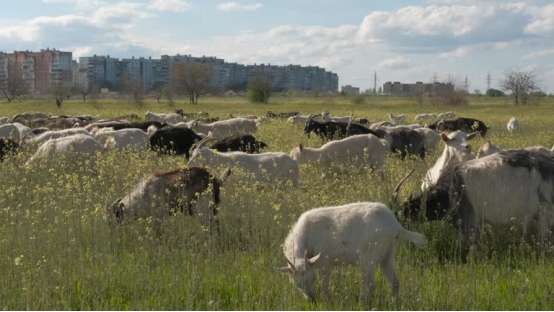
The arrival of spring not only brings renewal but also signals the beginning of breeding season for many animals. The “breath of life” that permeates forests and grasslands is rooted in complex and intricate biological mechanisms. Why do most animals choose to mate in spring? How do different species regulate reproduction based on environmental and physiological conditions? This article will systematically analyze the reproductive patterns of animals from the perspectives of ovulation mechanisms, reproductive strategies, and environmental adaptation.
Ovulation mechanisms: spontaneous and induced
Female terrestrial vertebrates generally have two modes of ovulation: spontaneous ovulation and induced ovulation .
Induced ovulation
Induced ovulation refers to ovulation only after mating stimulation. This mechanism is common in solitary felines, such as domestic cats. Because they have limited opportunities to mate, induced ovulation can greatly improve the efficiency of conception.
Social cats like lions also use induced ovulation. Male lions in a pride mate with their females at a specific time. This induced ovulation ensures synchronized pregnancy, allowing cubs to be raised together. Lions living in tropical areas may be in estrus almost year-round, while Siberian tigers, which live in harsh environments, estrus primarily in late spring and early summer, ensuring that their cubs are born when conditions are most favorable.
Spontaneous ovulation
Spontaneous ovulation occurs periodically without mating and can be divided into three categories:
Menstrual cyclicity : Primates are typical. Ovulation cycles are regular, such as approximately 28 days in humans and 36 days in chimpanzees. As long as mating occurs during ovulation, conception is possible.
Continuous ovulation : Small mammals such as mice and rabbits ovulate frequently and have short reproductive cycles, adapting to a “volume-based” survival strategy.
Seasonal ovulation : Most birds, reptiles, and some mammals use this strategy to ensure that their young are born in seasons with ample food and suitable climate.
Seasonal reproduction: coordinating food and environment
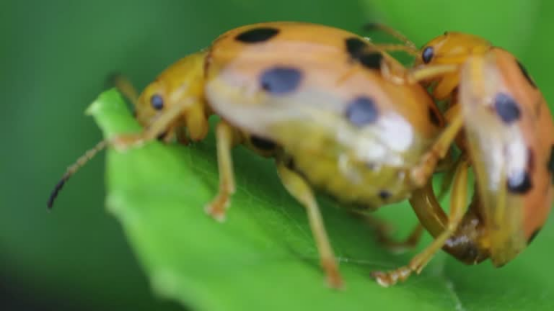
For animals that ovulate seasonally, the timing of their reproduction is usually closely related to food supply and living environment.
Arctic or cold temperate regions : Herbs and shrubs grow vigorously in the summer, so herbivores living there, such as hares, choose to mate in the spring to ensure that their cubs have enough food when they are weaned in the summer.
A unique bear strategy : Brown and black bears mate mostly in the summer, but their cubs are born the following winter. This is due to a delayed implantation mechanism : the fertilized egg temporarily lies dormant in the uterus until optimal environmental conditions allow for development. Bears give birth during hibernation, where their dens are safe and their bodies are well-nourished. The cubs survive directly on breast milk.
Biological clock and environmental signals
The reproductive rhythm of animals is closely linked to their endogenous biological clock . In mammals, for example, the suprachiasmatic nucleus (SCN) in the brain is directly connected to the retina, sensing changes in light and regulating melatonin secretion.
When light is strong, melatonin secretion decreases. The decrease in melatonin relieves the inhibition of gonadotropin-releasing hormone (GnRH) in the hypothalamus, stimulating ovarian maturation and ovulation.
Birds use a similar mechanism, also controlling the timing of reproduction by sensing light.
Cold-blooded reptiles rely more on temperature changes than light, with rising temperatures generally triggering reproduction.
In general, seasons with sufficient sunlight and warm climate are the first choice for most animals to reproduce.
Examples of reproductive strategies in different animals
mammal
Solitary felines : Improving mating efficiency through induced ovulation.
Lions : Synchronized pregnancies in a group living strategy help to raise the cubs collectively.
Bears : mate in summer and give birth in winter, delaying implantation to ensure that the cubs are born in a safe and nutritious environment.
Primates : Ovulation occurs during the menstrual cycle, and reproduction depends on periodic physiological signals.
small mammals
Mice and rabbits : continuous ovulation strategy, frequent reproduction, and survival strategy that favors quantity rather than individual quality.
Birds and Reptiles
Most birds use seasonal ovulation to ensure their chicks are born when food is plentiful.
Reproduction in cold-blooded reptiles is highly dependent on ambient temperature, with rising temperatures triggering mating behavior.
The evolutionary logic behind reproductive strategies
The core goal of animals in choosing the right time to mate is to increase the survival rate of their offspring . Physiological and behavioral adaptations in different habitats enable species to achieve maximum reproductive success in specific environments:
Adequate food supply : Make sure the pups have enough food when they are weaned.
Safe environment : Burrows or nests provide protection and reduce threats from predators.
Optimal physical and nutritional conditions : For example, bears give birth during hibernation, when the mother has sufficient energy and is safe.
This adaptive selection shows that the timing of reproduction is not random, but the result of long-term evolutionary optimization.
Relationship between ovulation pattern and reproductive efficiency
Different ovulation patterns directly affect reproductive efficiency and strategy selection:
| Ovulation pattern | Features | Applicable animal types |
| Induced ovulation | Ovulation occurs only after mating stimulation, resulting in a high pregnancy rate | Solitary cats, social lions |
| Spontaneous ovulation-menstrual cycle | The cycle is fixed, and mating must be coordinated with ovulation. | primates |
| Spontaneous ovulation – continuous | Frequent ovulation and rapid reproduction | small mammals |
| Spontaneous ovulation – seasonal | Seasonal ovulation ensures that the cubs are born at the right time | Birds, most mammals |
Environmental perception and physiological signals
Animals use environmental signals such as light and temperature to adjust their physiological state to ensure the optimal match between reproduction and the environment:
Light : Regulates melatonin secretion and affects sex hormone levels.
Temperature : Especially important for cold-blooded animals, it determines the mating season.
Resource availability : Food, shelter, and the social environment all influence reproductive strategies.
Summarize
The timing of animal reproduction is a complex process of environmental adaptation, physiological mechanisms, and evolutionary strategies. Induced ovulation, spontaneous ovulation, and seasonal ovulation patterns reflect the optimization strategies used by different species under pressure. Light, temperature, and food availability are key environmental cues regulating reproduction, while specialized mechanisms such as delayed implantation further ensure optimal birth conditions. Understanding these patterns can provide a deeper understanding of the biological logic behind animal behavior and the sophisticated survival strategies employed by nature.
https://www.aclerly.com/the-spring-surge-why-animals-breed-more-in-spring/